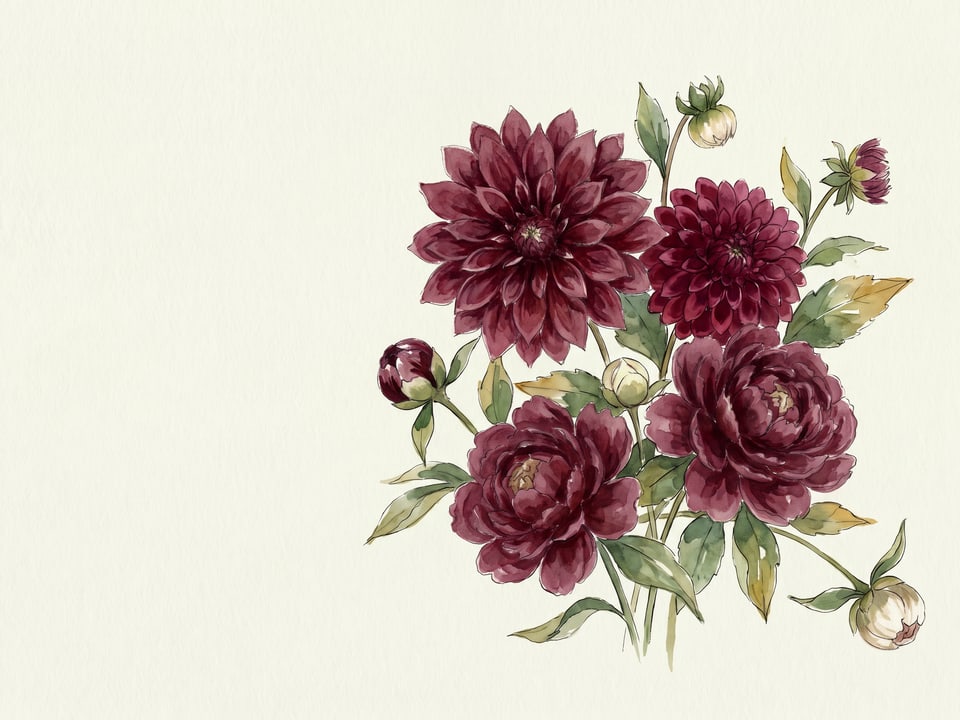
Burgundy dahlia varieties
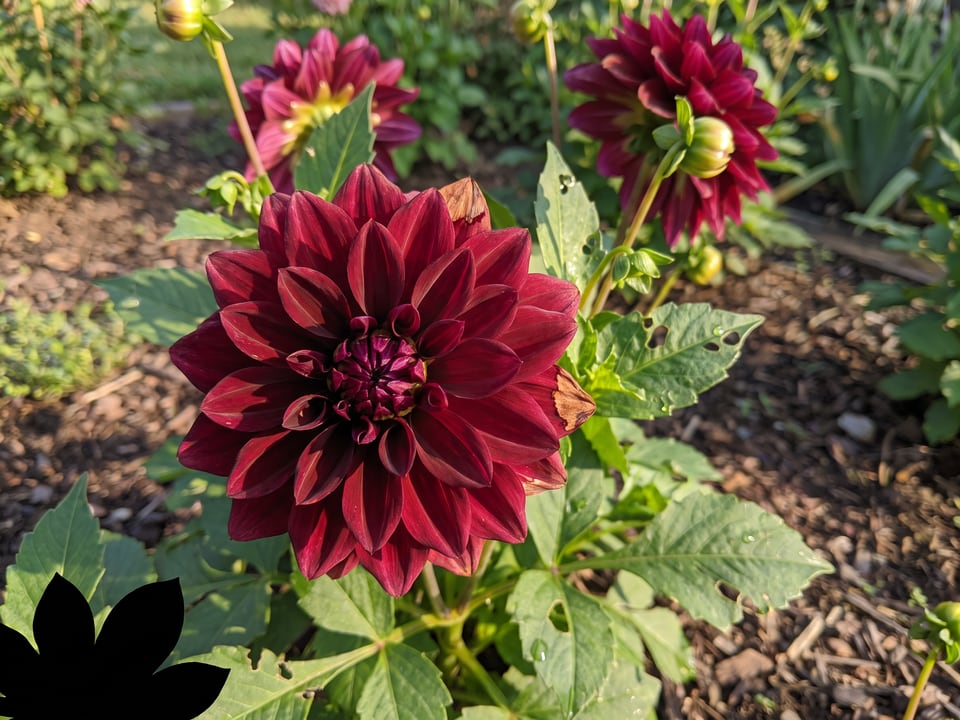
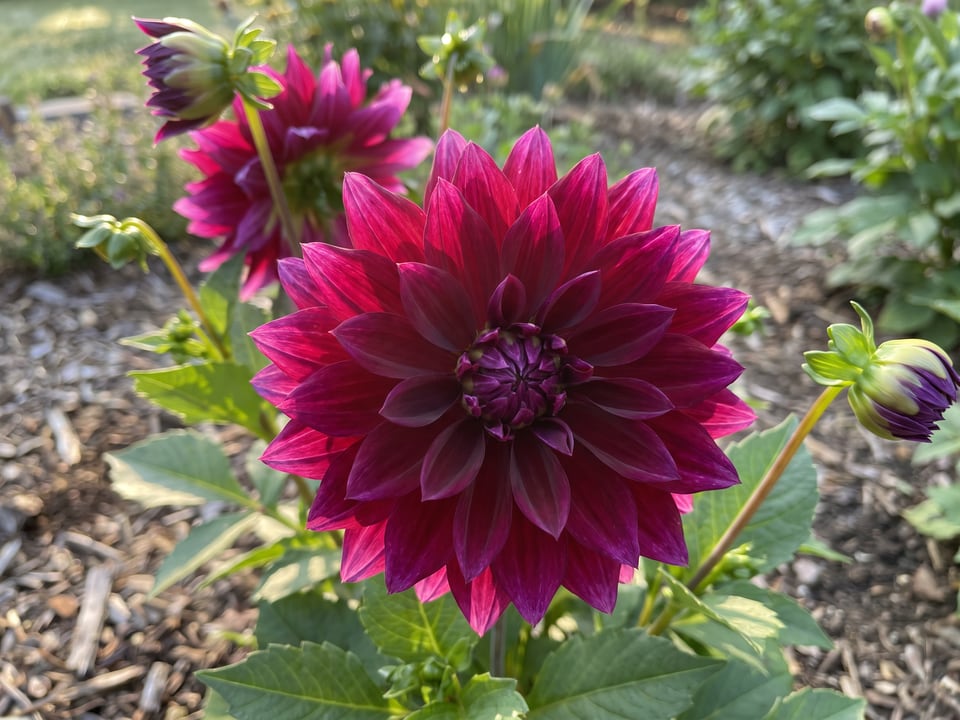
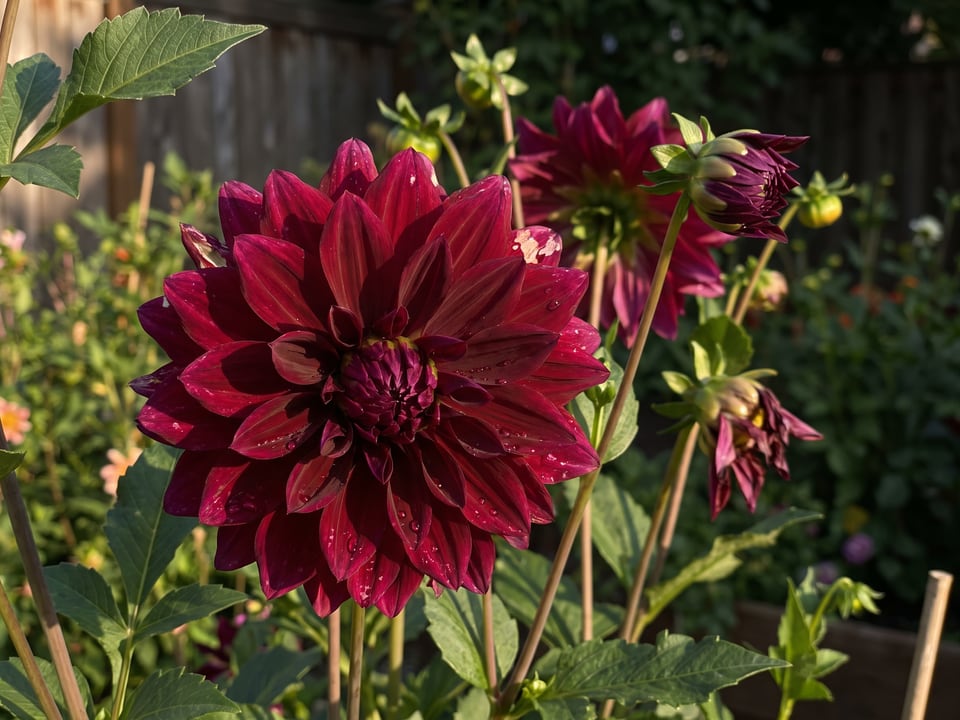
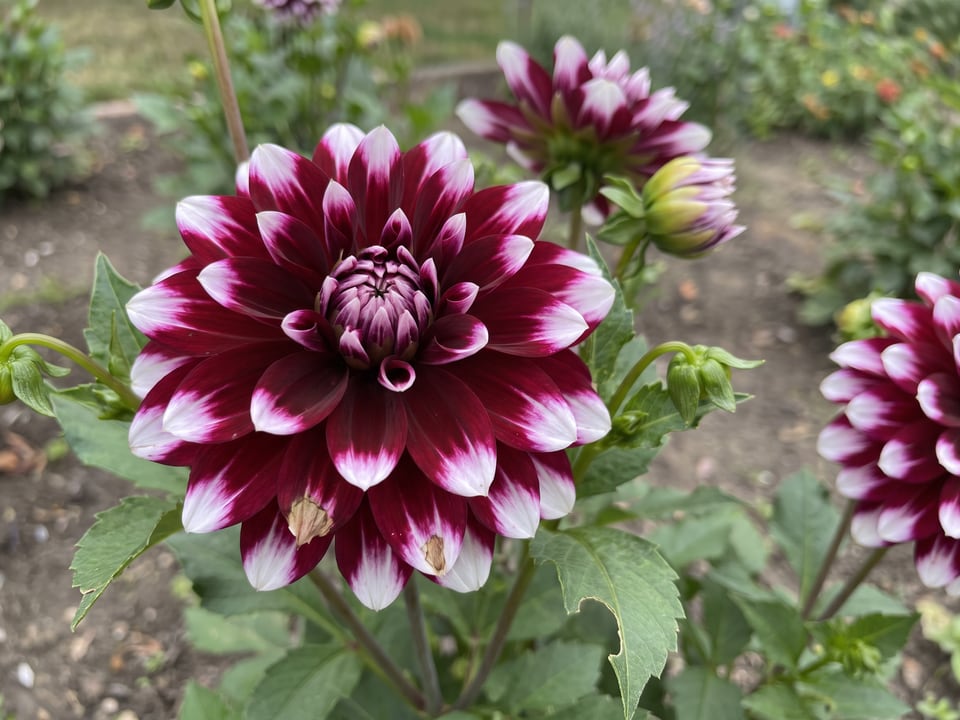
Burgundy dahlias are varieties with wine-red to deep maroon blooms, darker than the ones we record as red. The table below compares every variety we list side by side.
- Varieties
- 10
- Height
- 1½–5 ft (41–152 cm)
- Hardiness
- USDA zones 8–11
- Form
-
6 Informal decorative
1 Collarette
1 Pompon
1 Waterlily
1 Semi-cactus
All 10 burgundy dahlia varieties
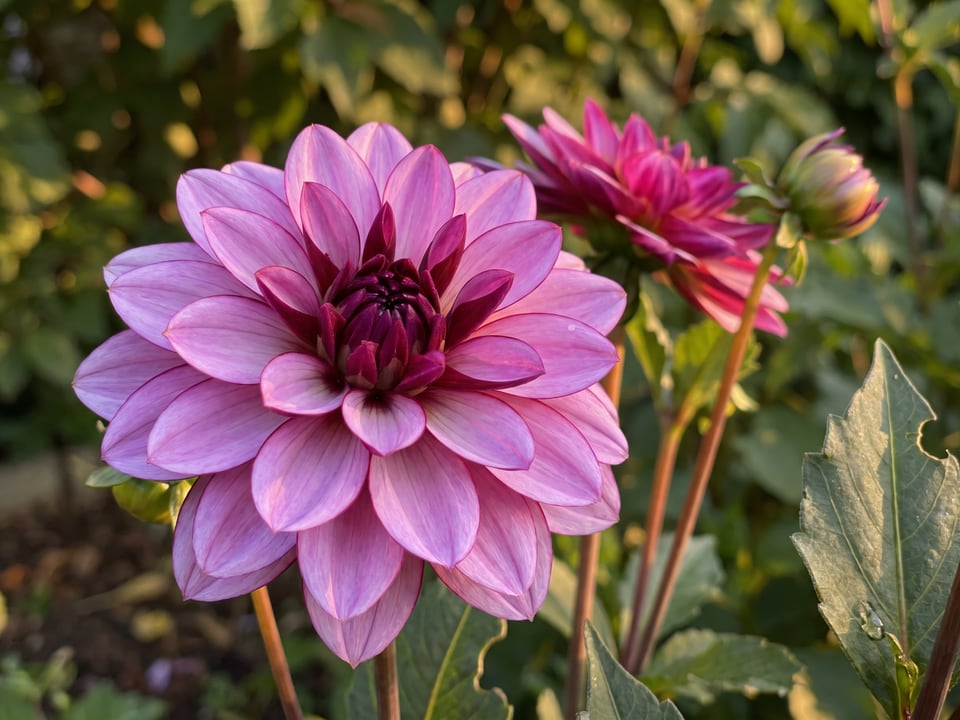
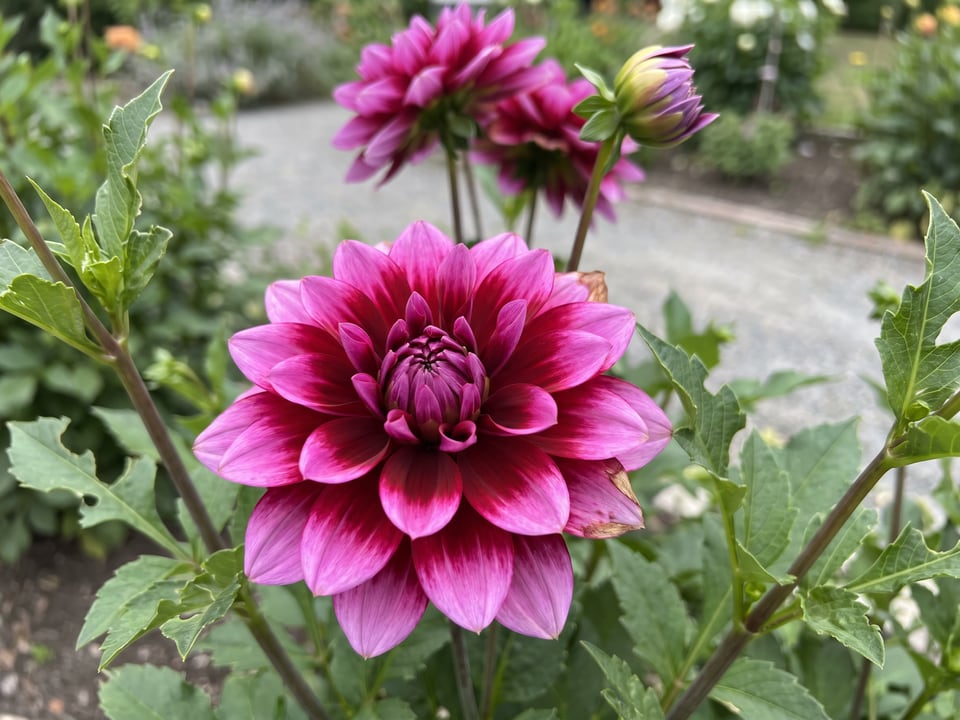
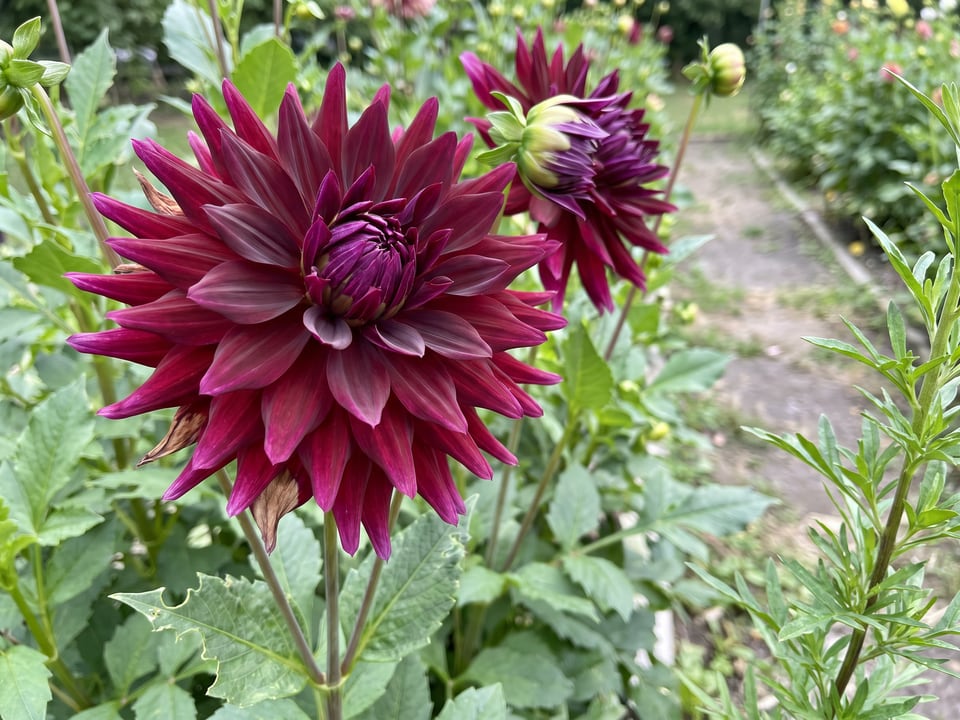
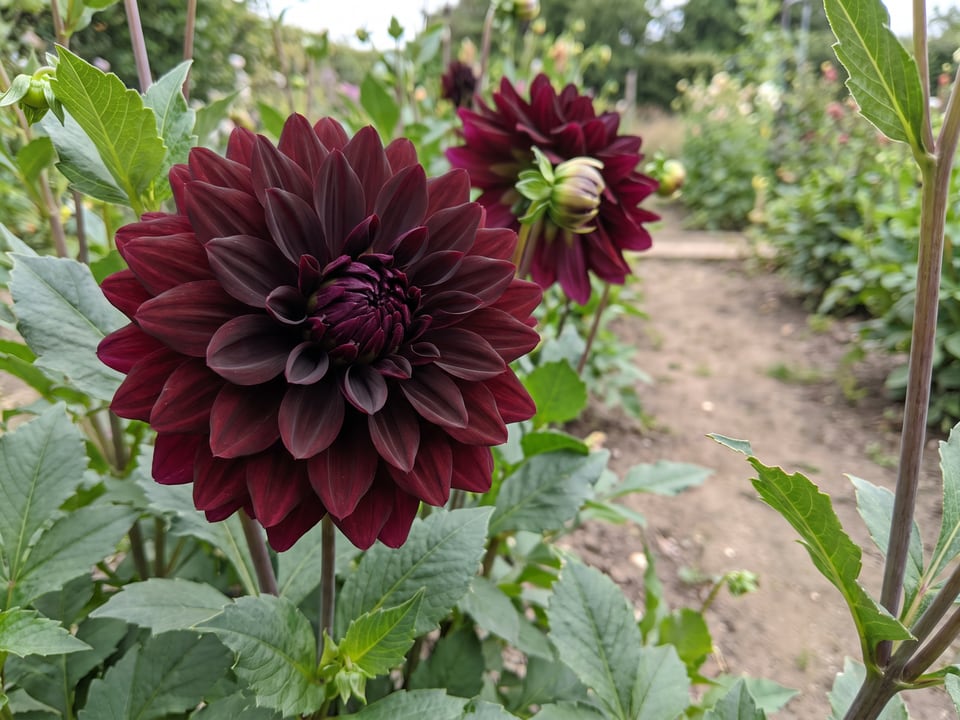
How to choose
-
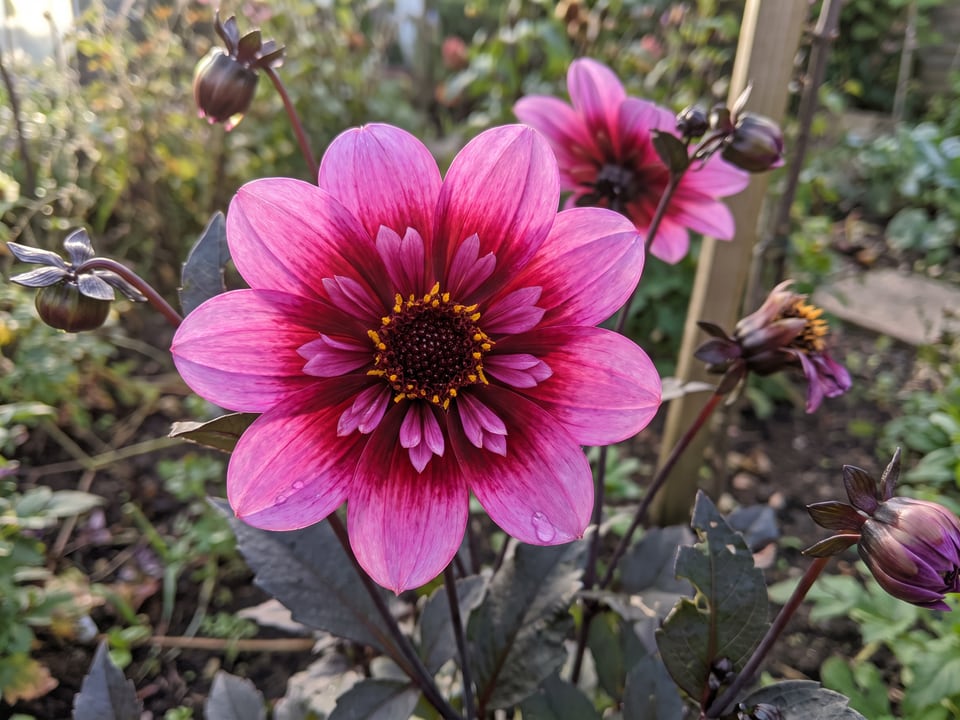
Use the color filter to separate burgundy from red and near-black. The American Dahlia Society also classifies Dark Red separately from red.
-
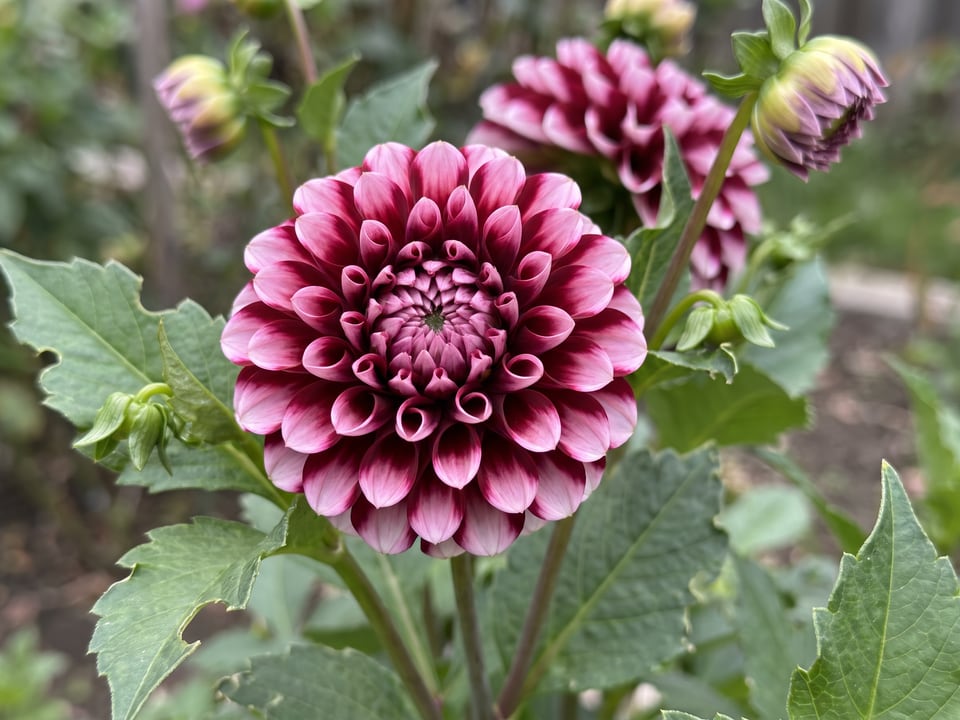
Compare the Form column to choose between tight ball blooms and wider, looser petals.
-
Check the Height column. Oregon State University Extension says dahlias taller than 36 inches usually need stakes.
Compare side by side
| Color | Sunlight | |||||
|---|---|---|---|---|---|---|
| Arabian Night | Informal decorative (estimated) | 2½–3½ ft (76–102 cm) | 9–11 | Midsummer, Late summer, Fall | Full sun | |
| Bee Happy | Collarette | 3 ft (91 cm) | 8–10 | Midsummer, Late summer, Fall | Full sun | |
| Chick A Dee | Pompon | 3 ft (91 cm) | 8–10 | Midsummer, Late summer, Fall | Full sun | |
| Crème de Cassis | Waterlily | 2½–3 ft (76–91 cm) | 9–11 | Midsummer, Late summer, Fall | Full sun | |
| Gallery Art Nouveau | Informal decorative (estimated) | 16 in (41 cm) | 9–11 | Midsummer, Late summer, Fall | Full sun | |
| Grand Finale | Semi-cactus | 4 ft (122 cm) | 8–10 | Late summer, Fall | Full sun | |
| Hollyhill Black Beauty | Informal decorative | 4½ ft (137 cm) | 8–10 | Midsummer, Late summer, Fall | Full sun | |
| Imperial Wine | Informal decorative | 4–5 ft (122–152 cm) | 8–10 | Midsummer, Late summer, Fall | Full sun | |
| Rip City | Informal decorative | 4–5 ft (122–152 cm) (estimated) | 8–10 | Midsummer, Late summer, Fall | Full sun | |
| Tartan | Informal decorative | 4½ ft (137 cm) | 8–10 | Midsummer, Late summer, Fall | Full sun |
Values marked like this (estimated) are estimates.
Frequently asked questions
How do I get larger burgundy blooms?
Oregon State University Extension advises removing the outer two of the three buds that form at the end of each branch. UGA Extension describes this disbudding as a vital cultural practice.