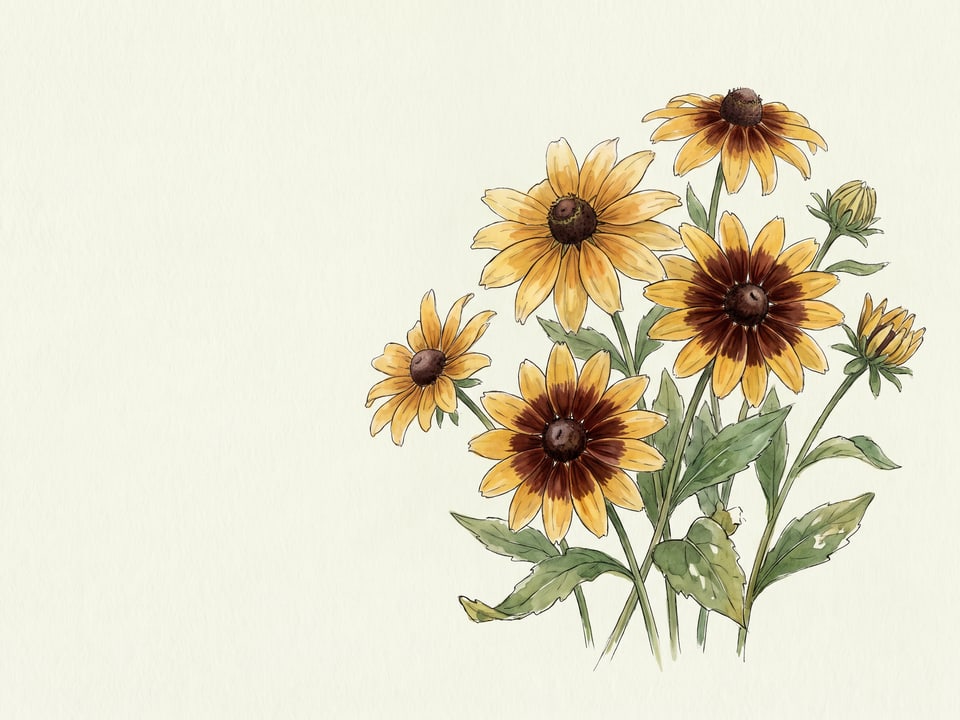
Black-eyed Susan varieties
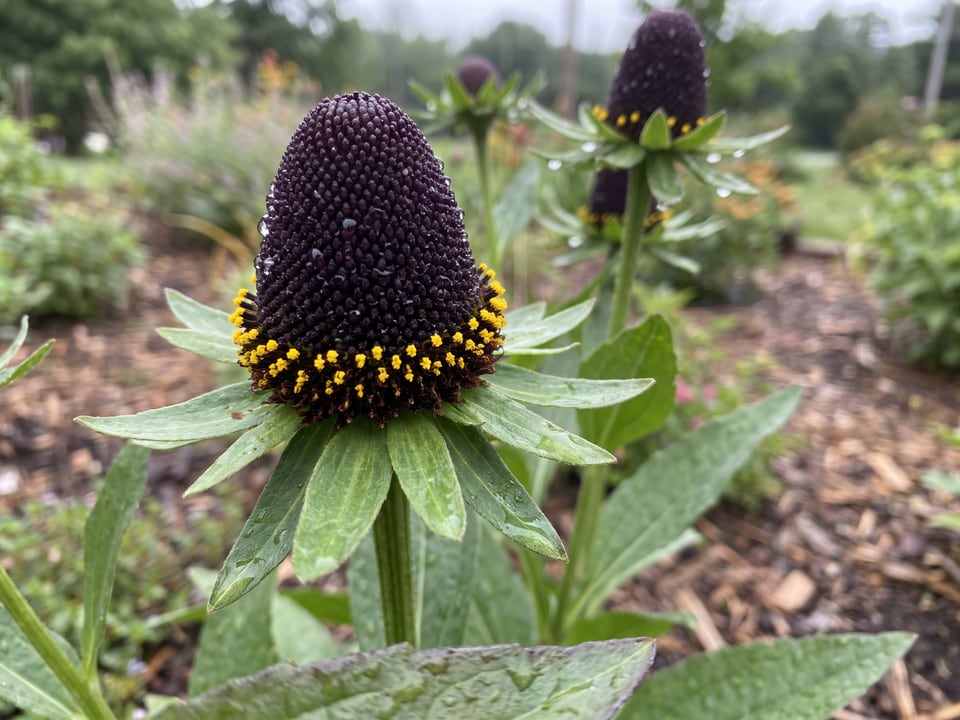
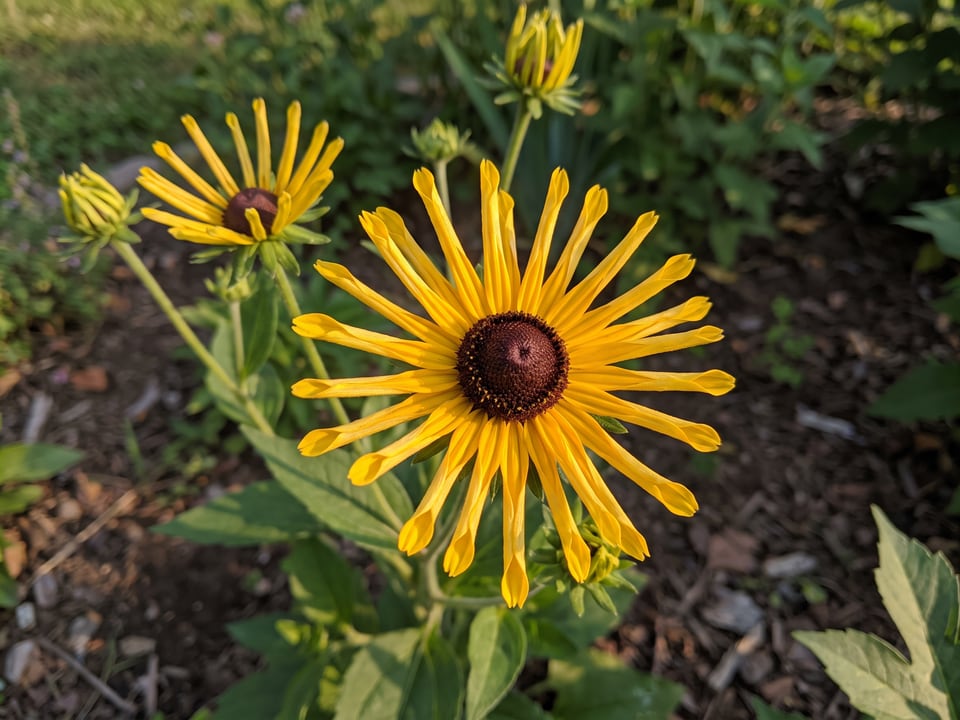
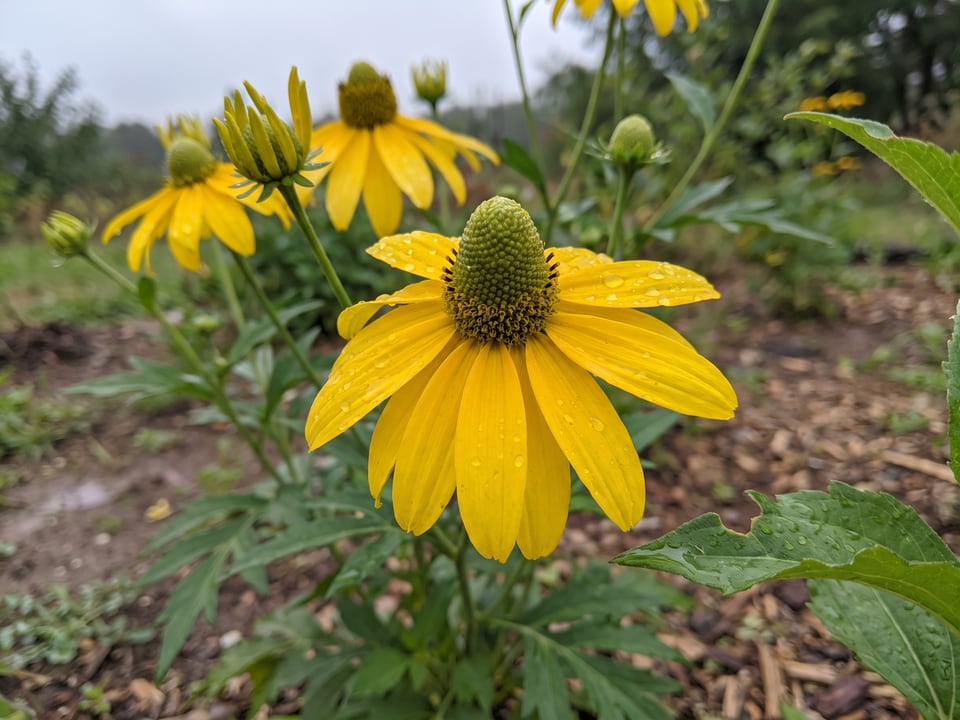
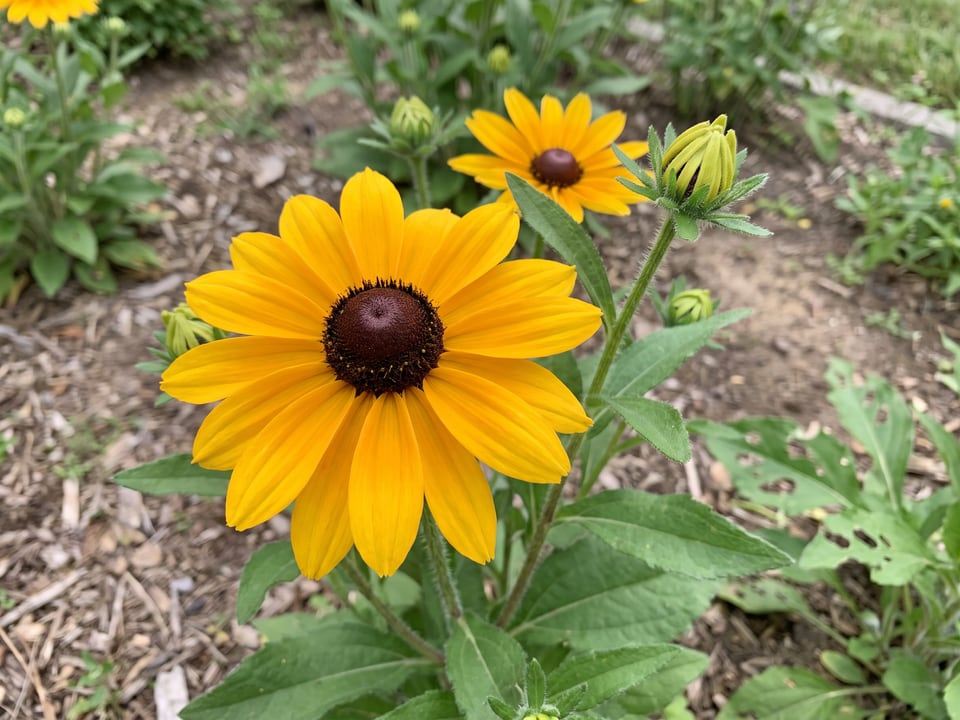
Black-eyed Susans in this catalog belong to two main species: Rudbeckia hirta, which NC State Extension calls a biennial or short-lived perennial that self-seeds, and Rudbeckia fulgida, a perennial that NC State Extension says spreads by rhizomes into large clumps. Use the filters to narrow the list by species, height and bloom time, then open a variety for its full record and where to buy.
All black-eyed Susans
40 black-eyed Susan varieties
No black-eyed Susan varieties match these filters yet — try clearing one.
Clear a filter to widen the list.
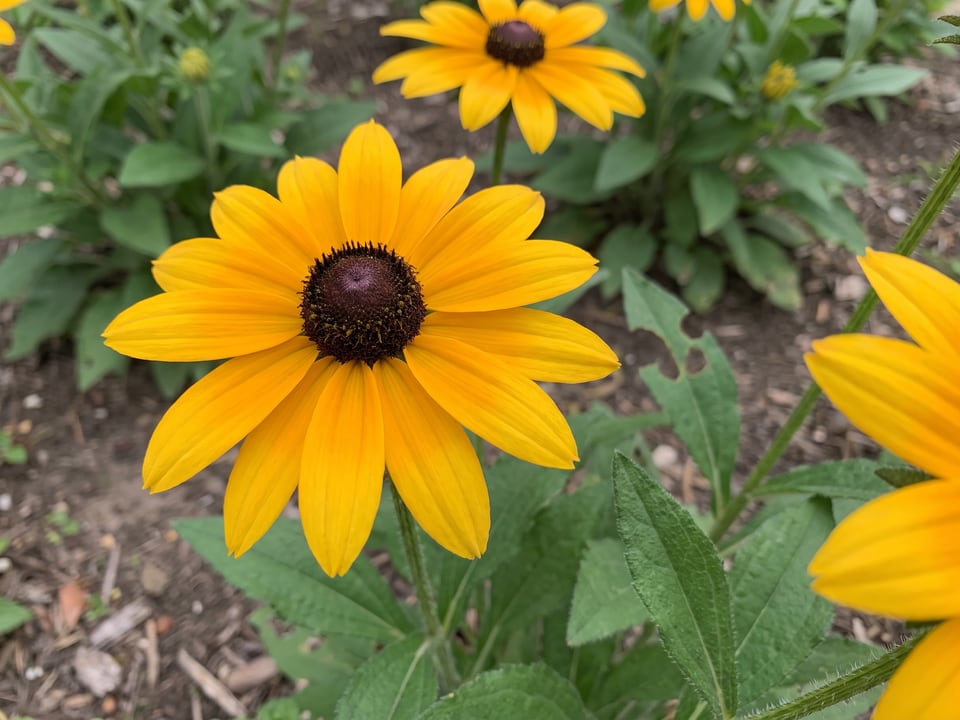
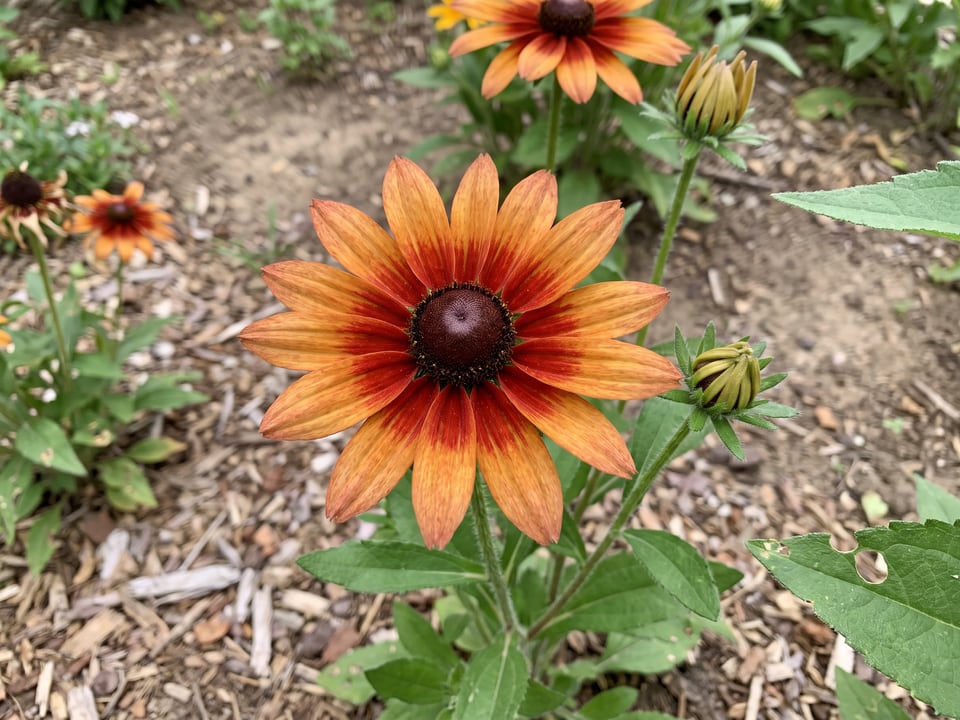
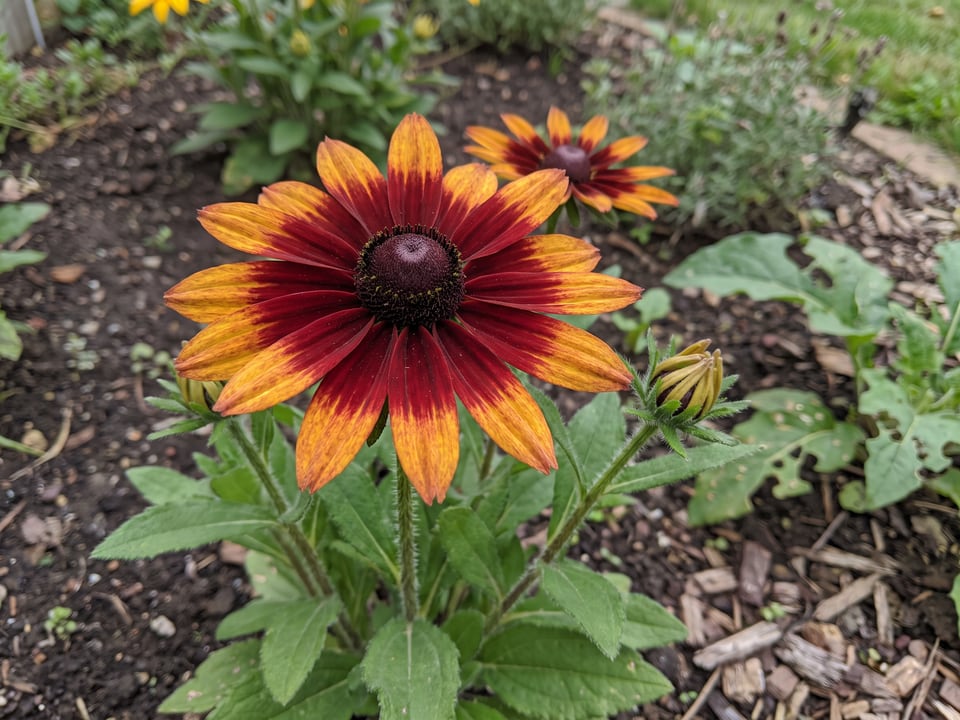
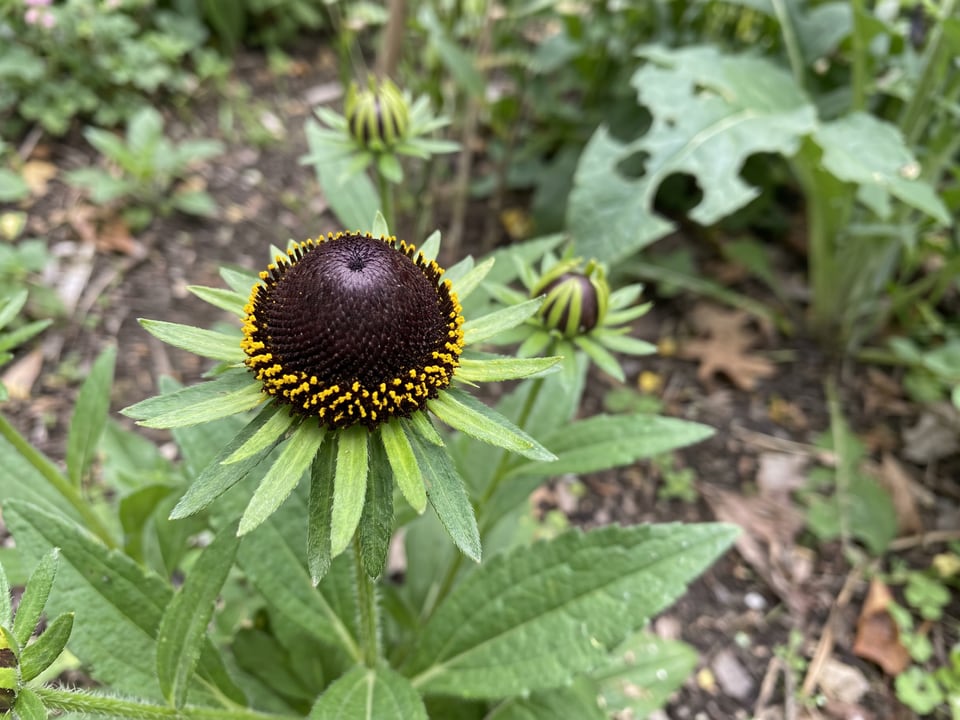
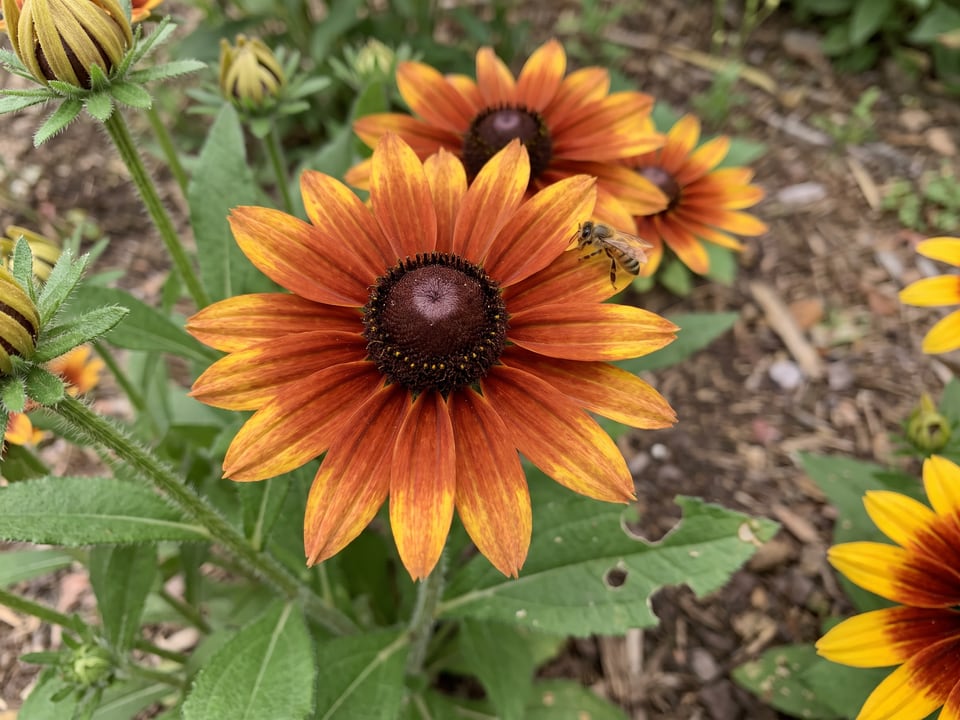
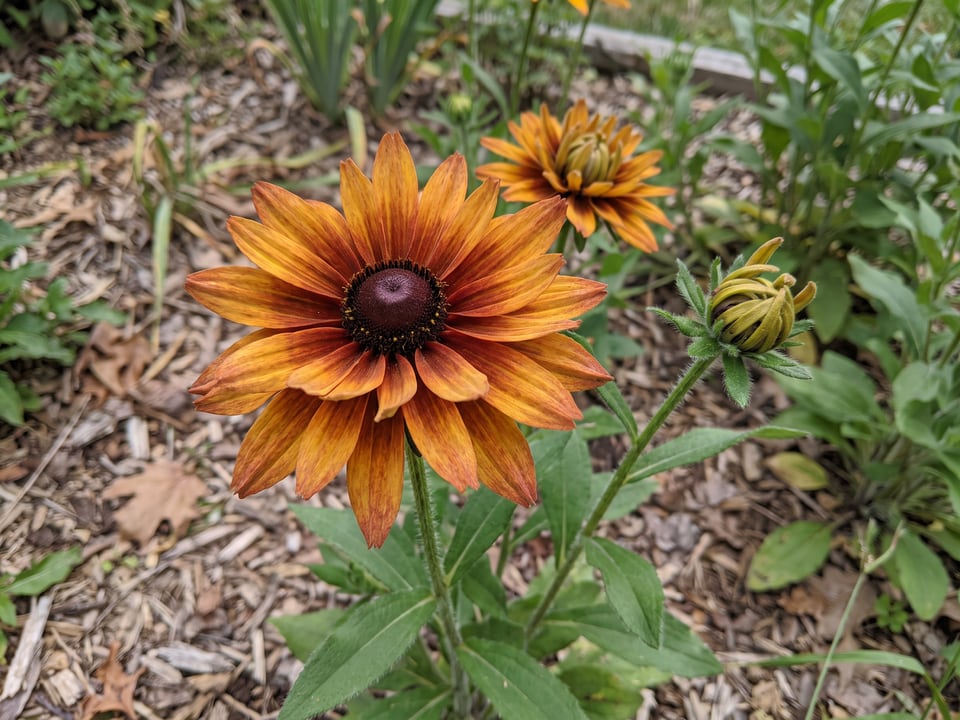
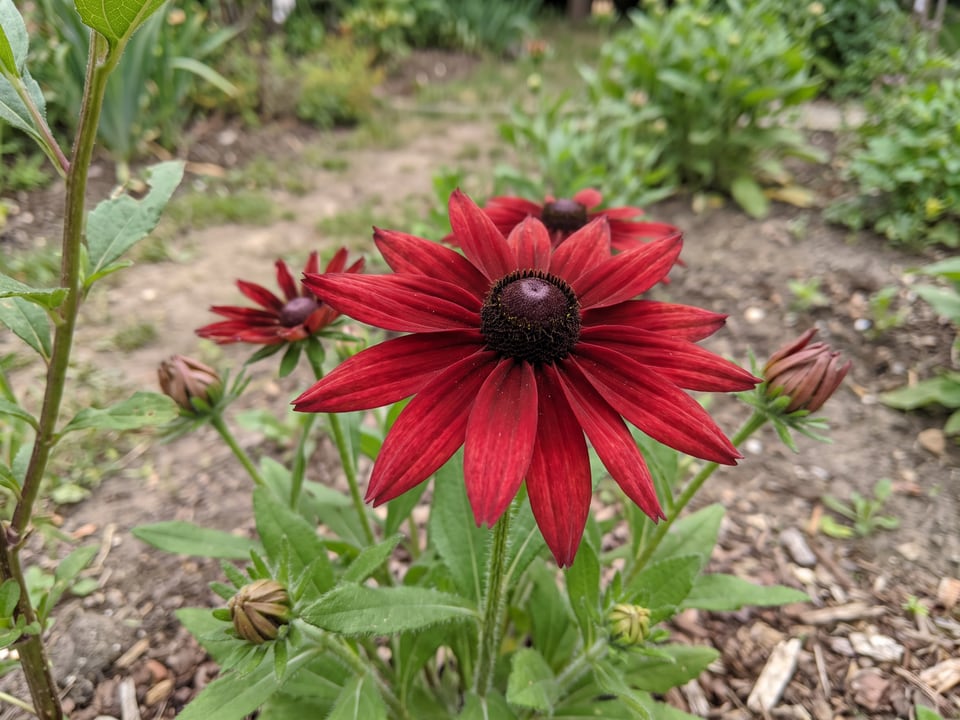
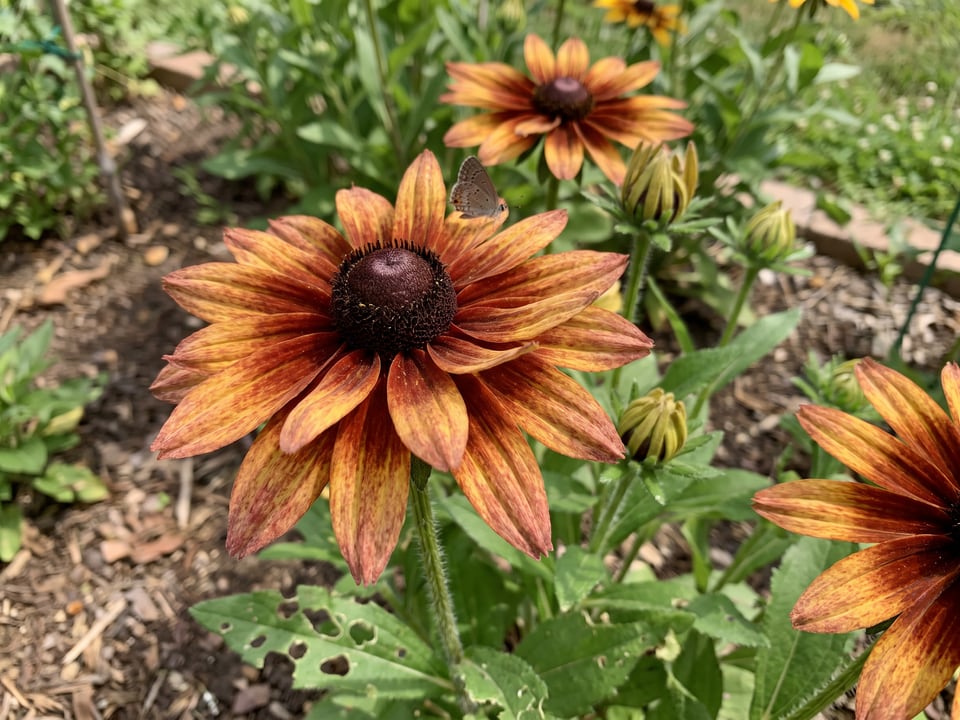
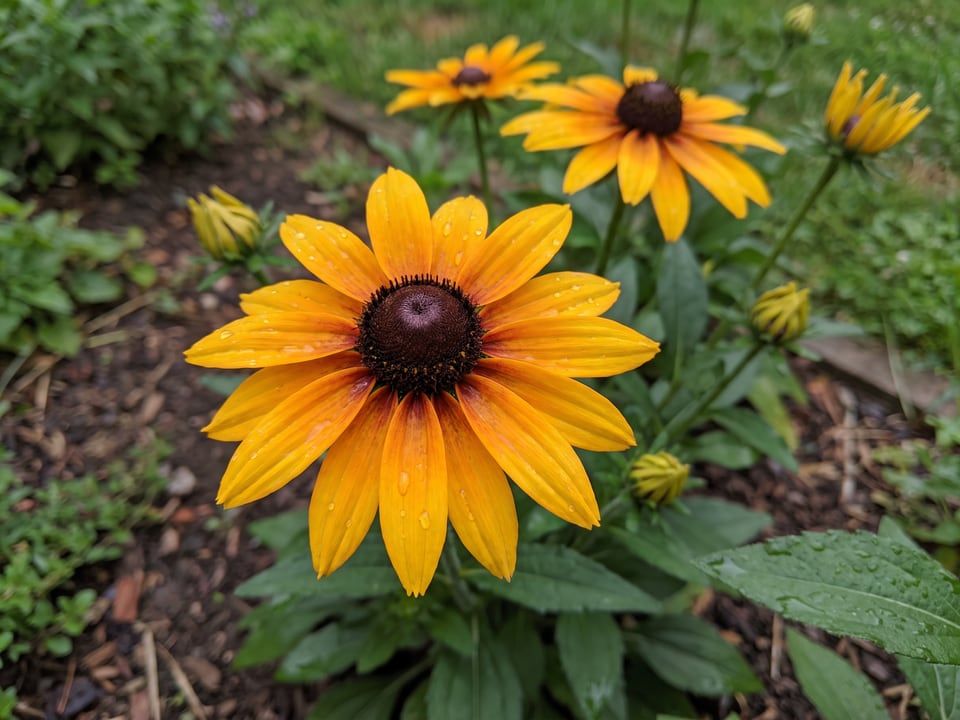
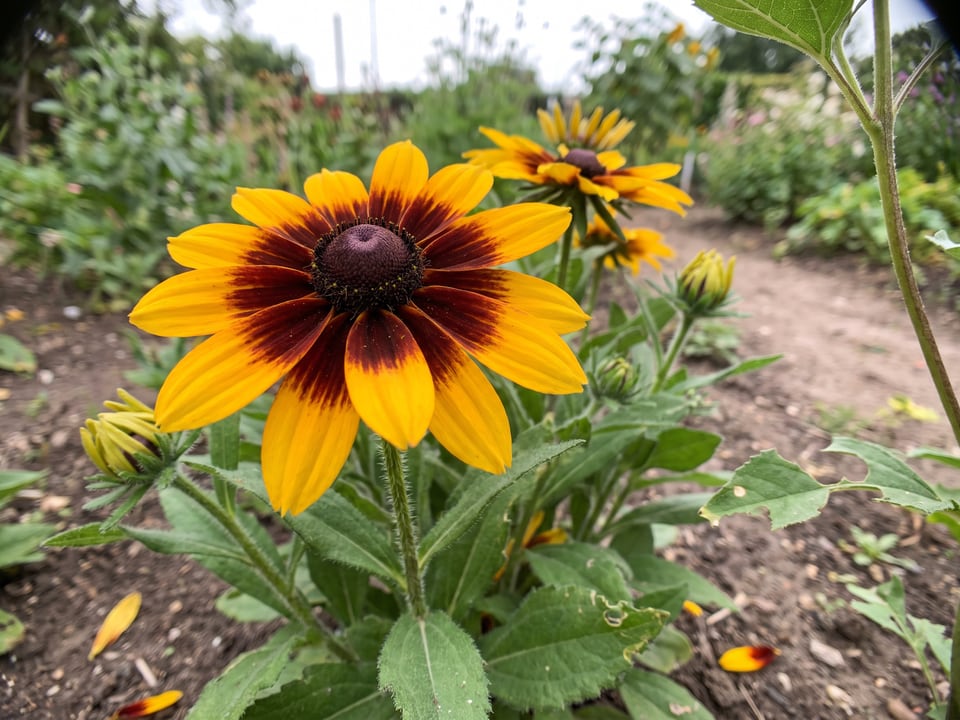
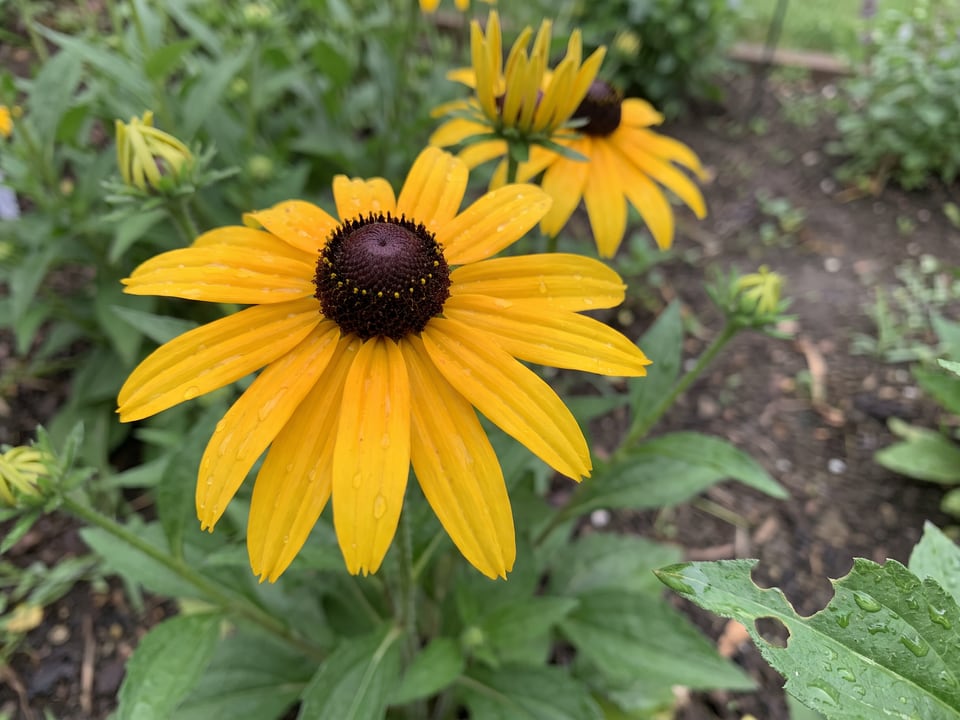
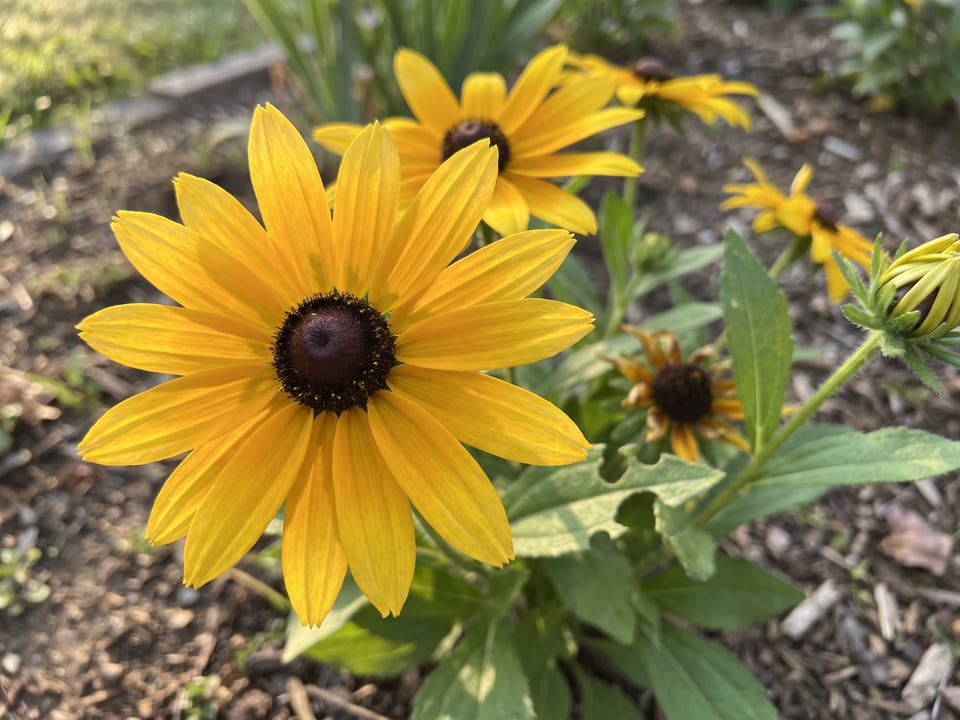
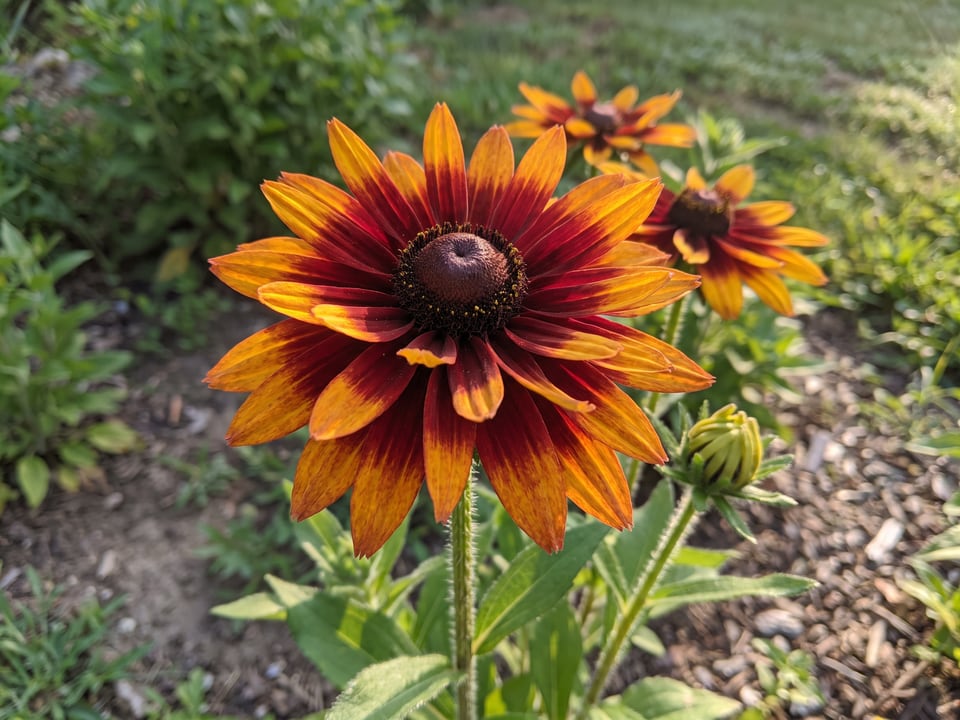
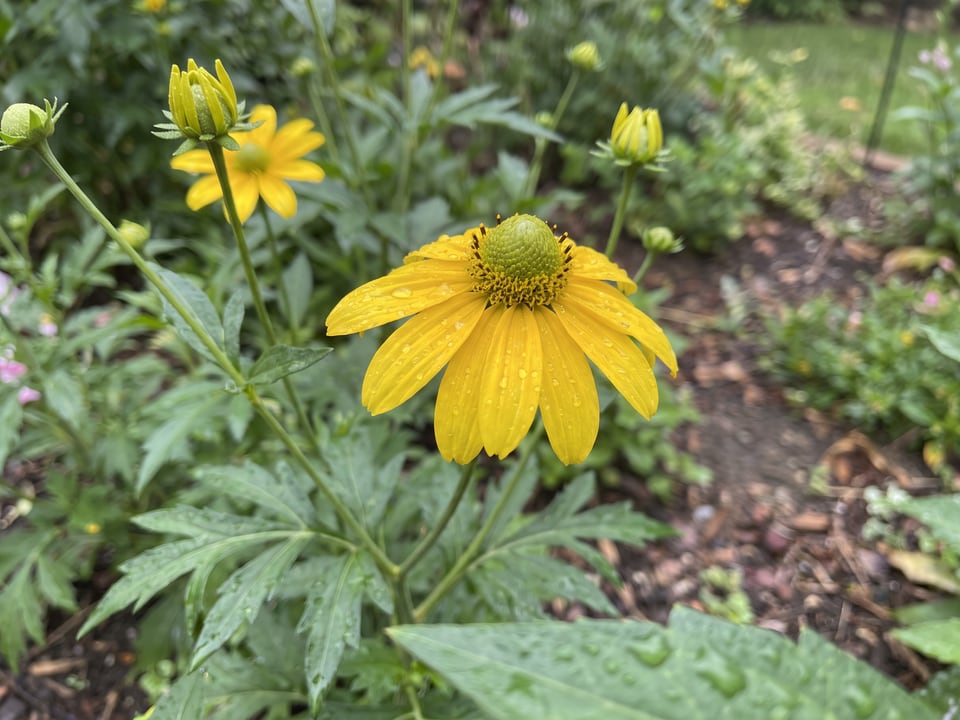
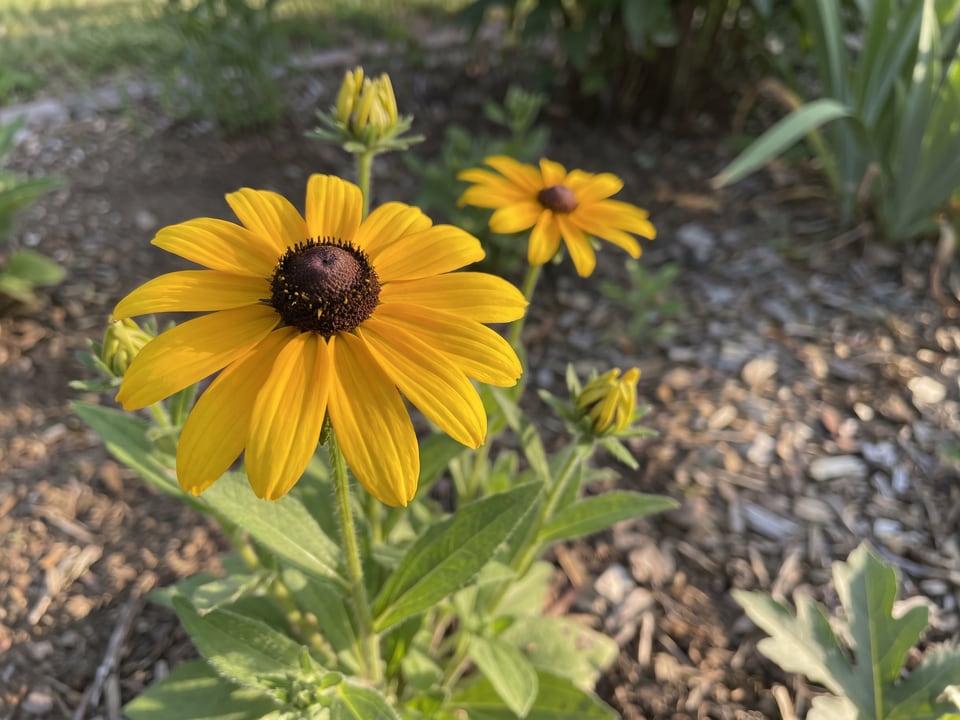
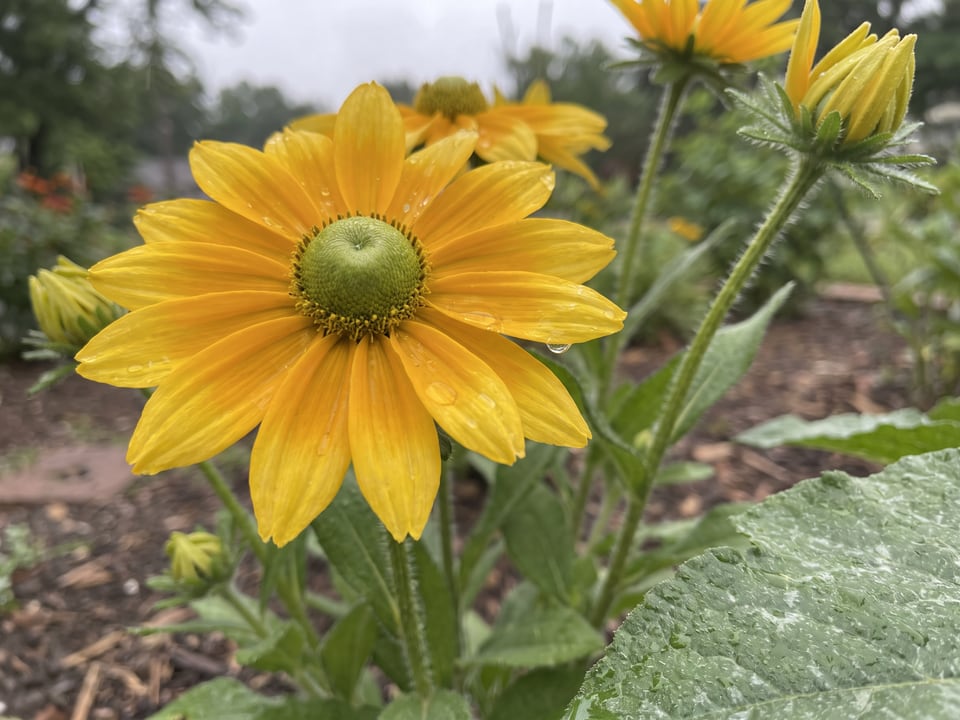
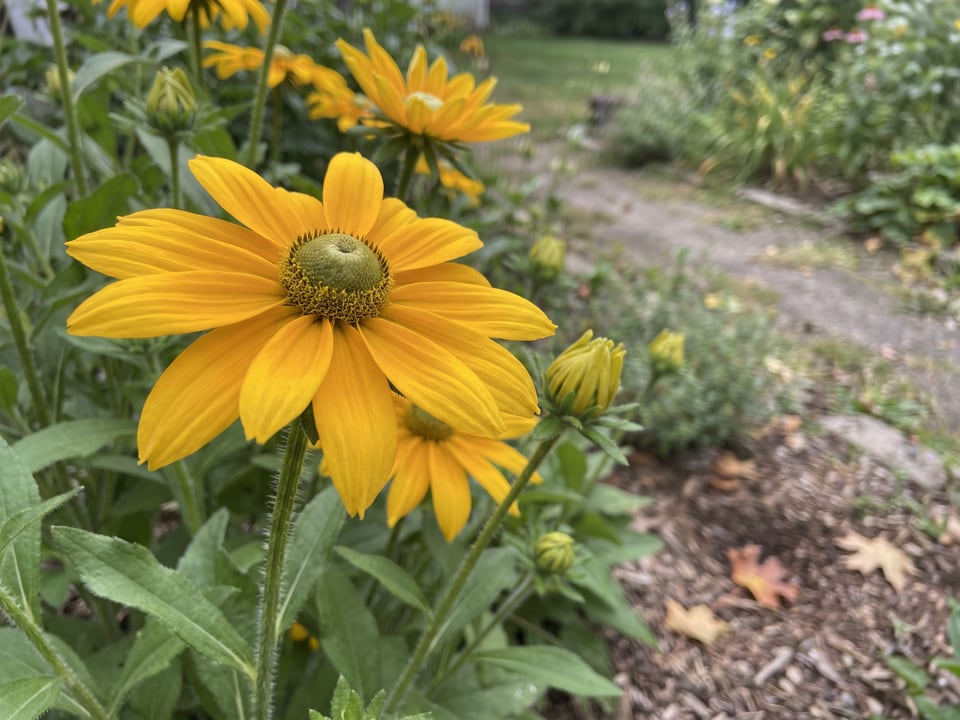
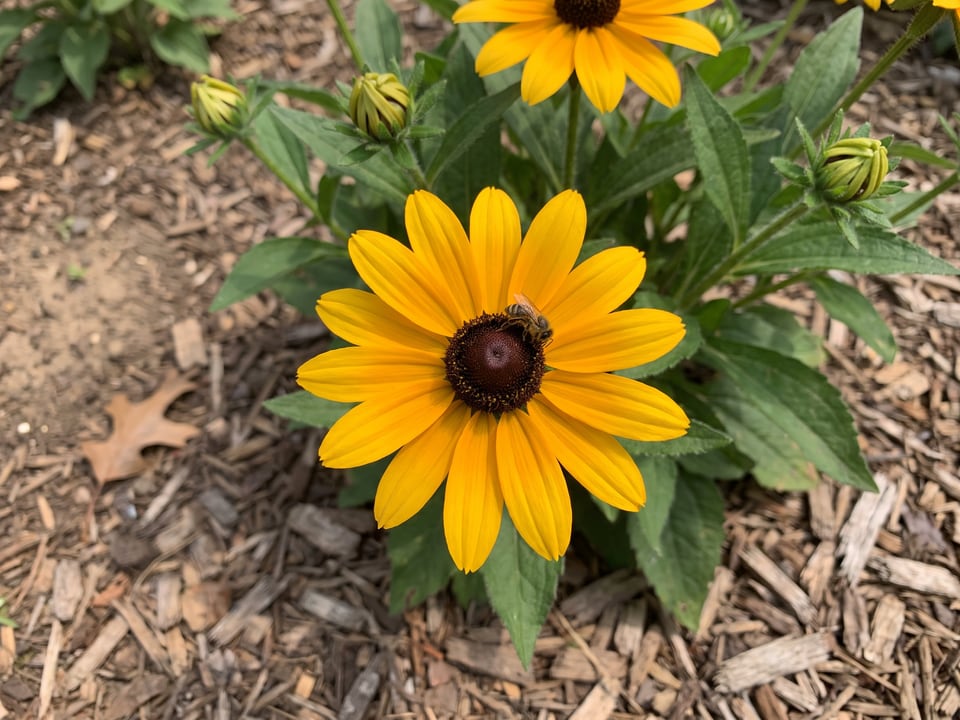
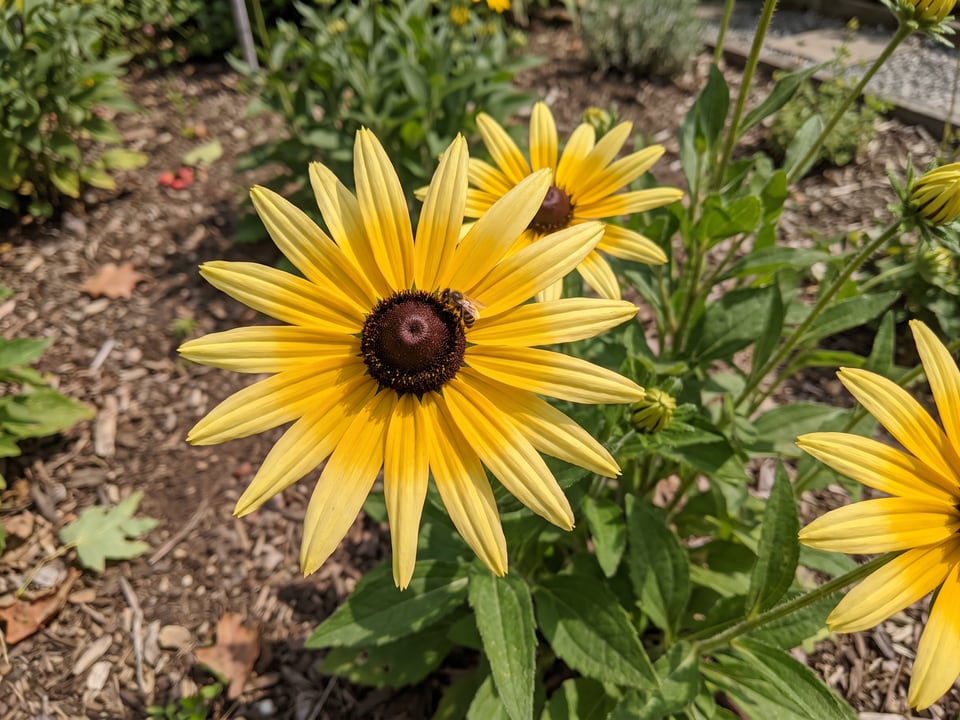
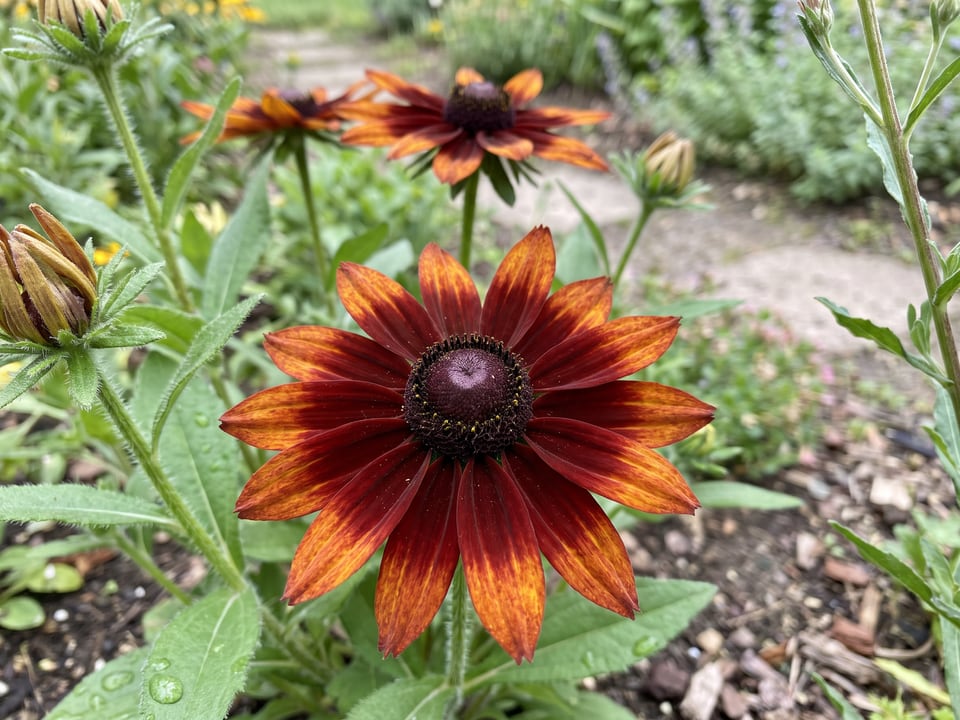
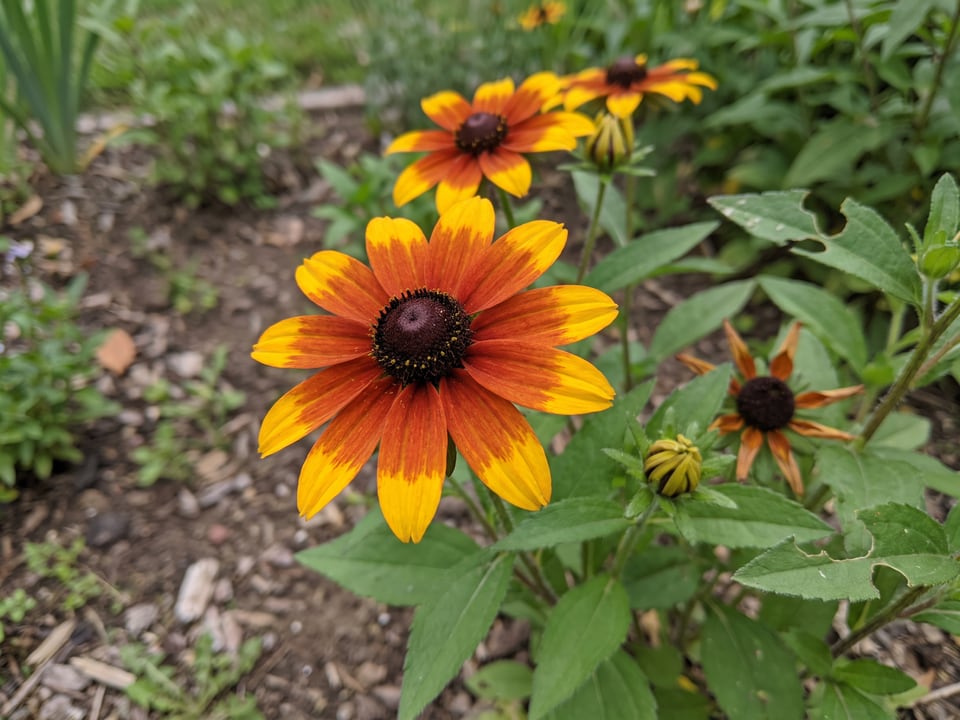
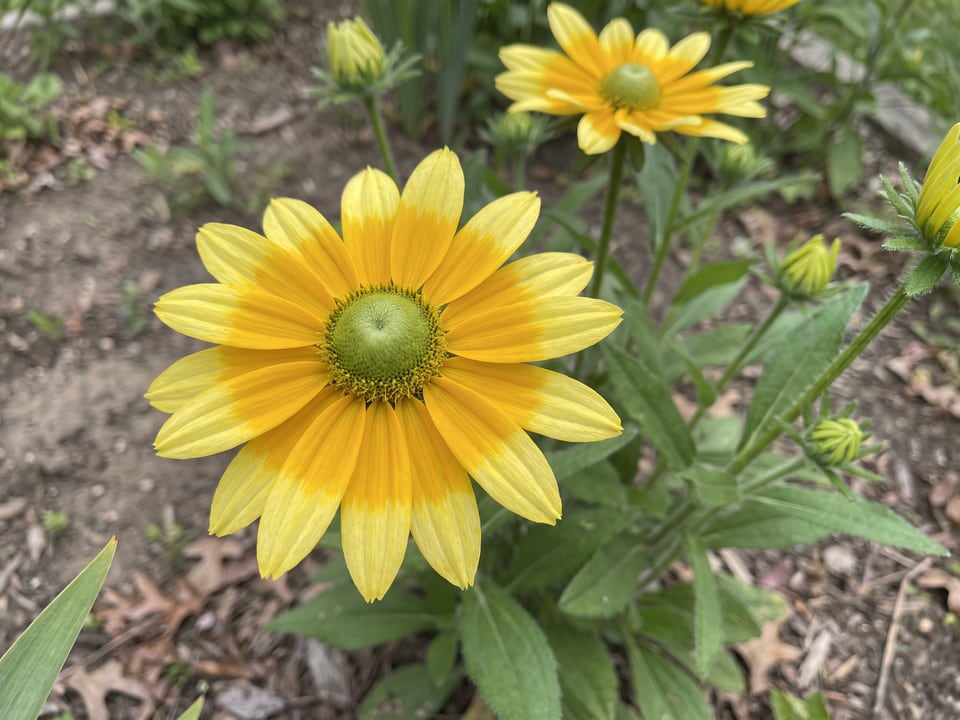
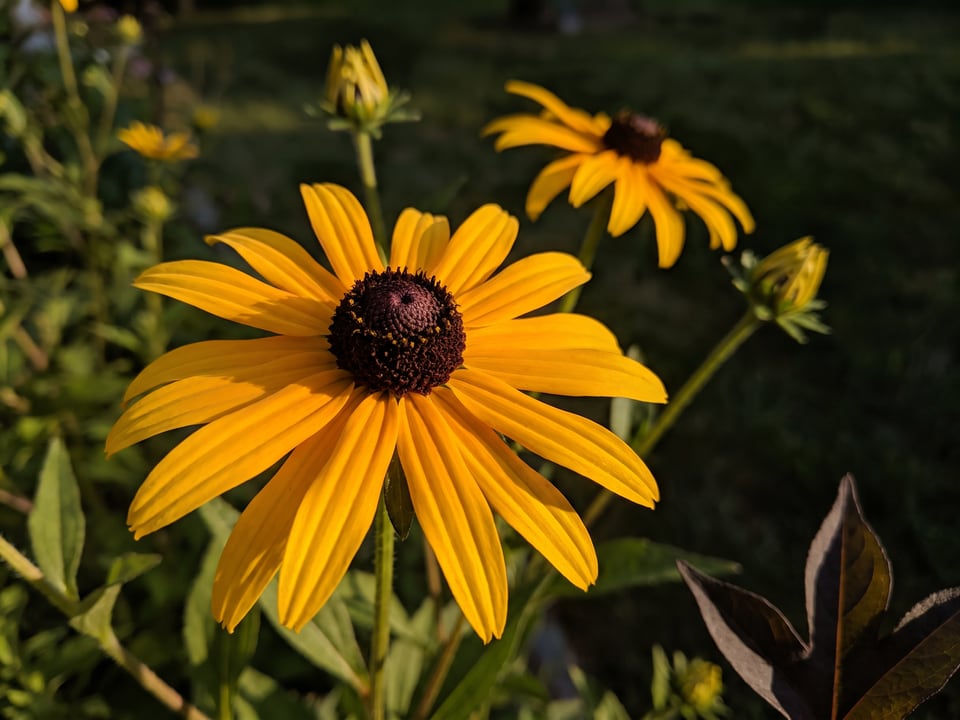
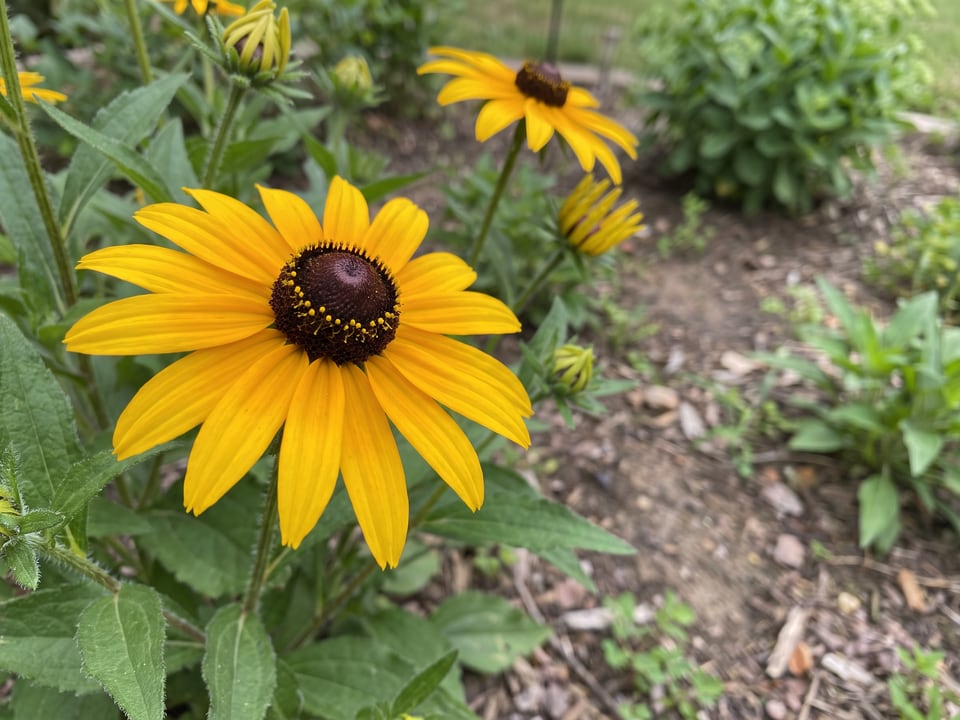
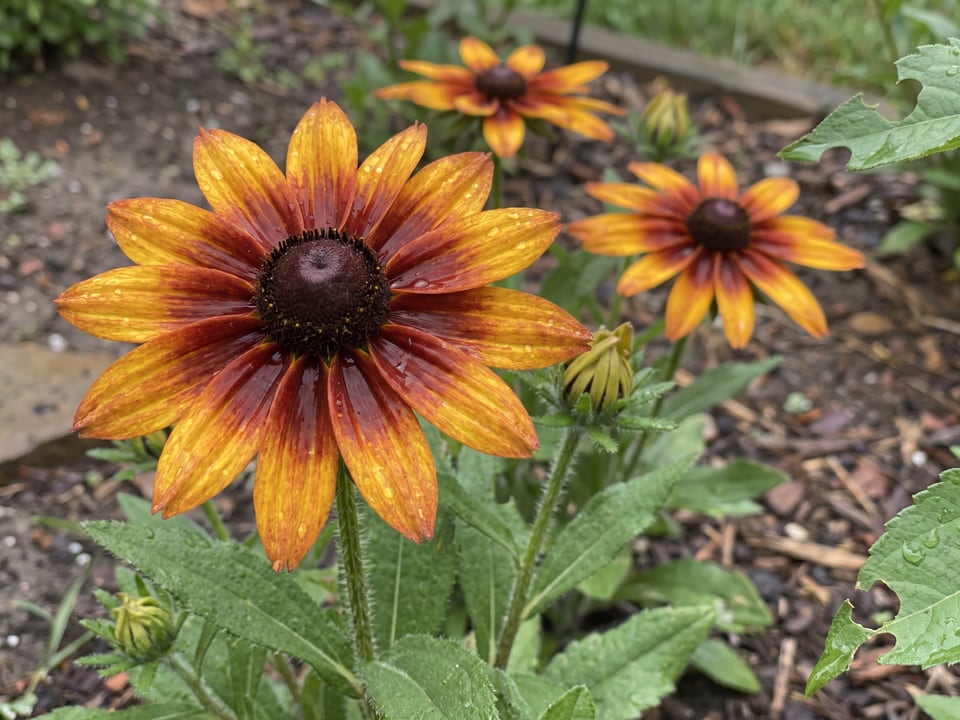
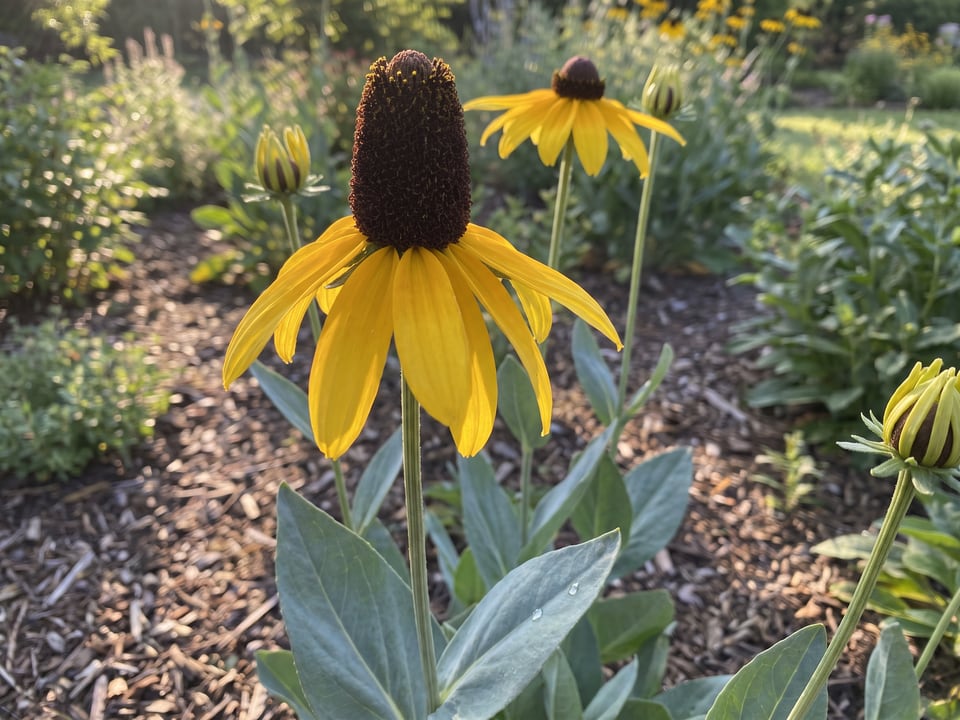
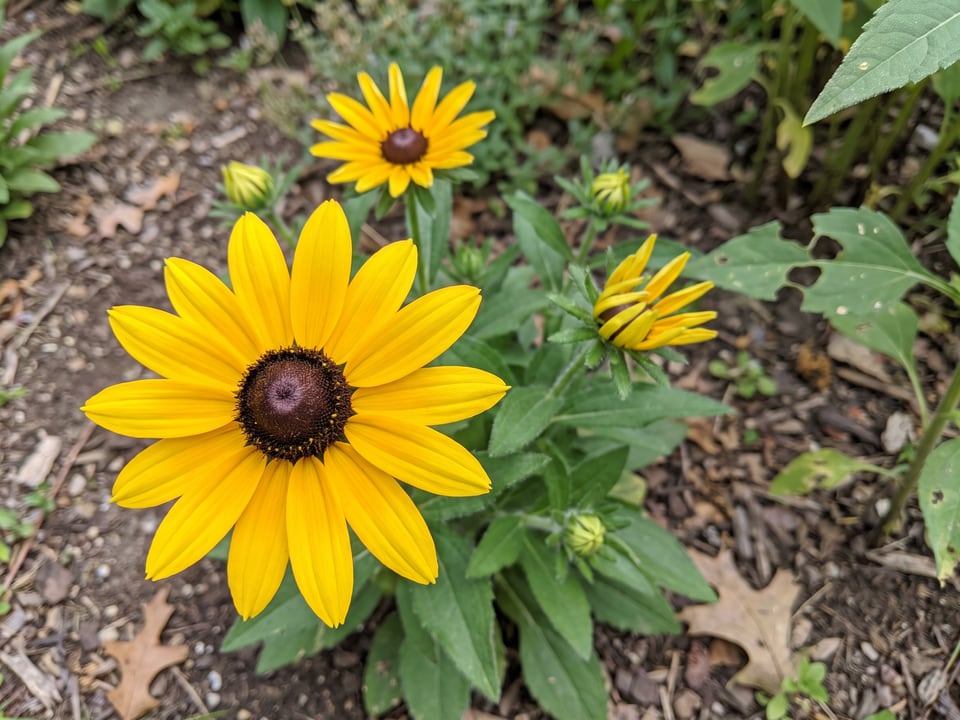
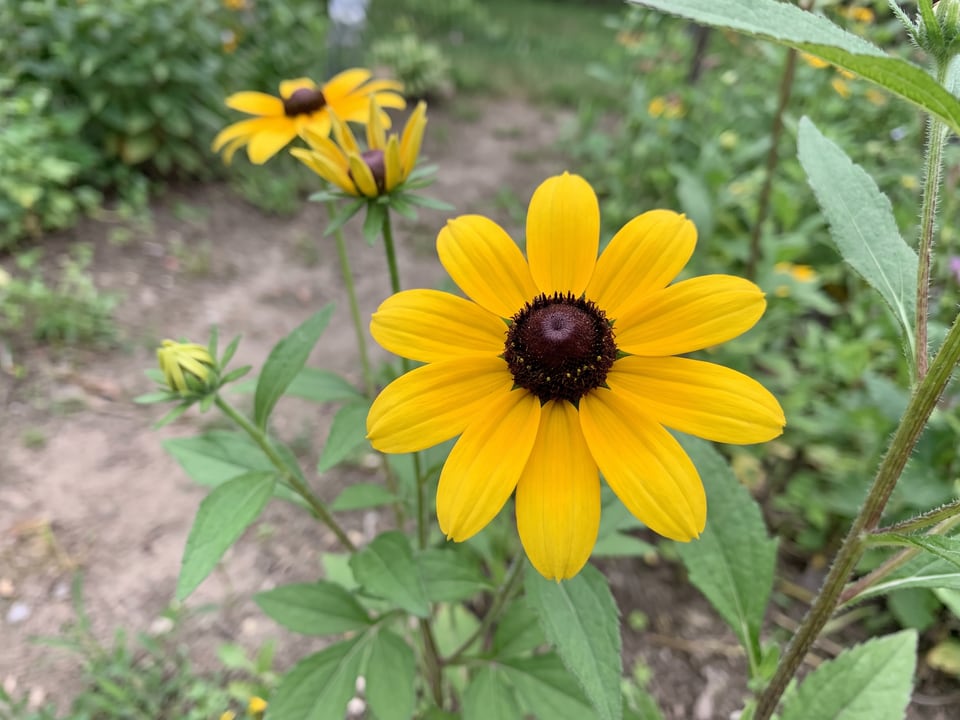
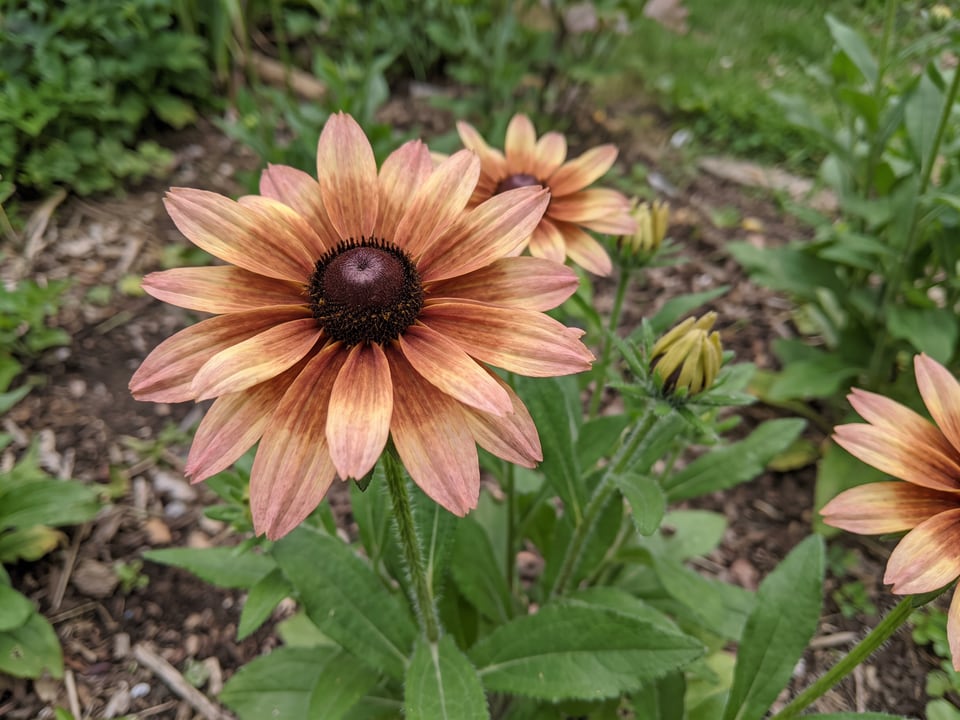
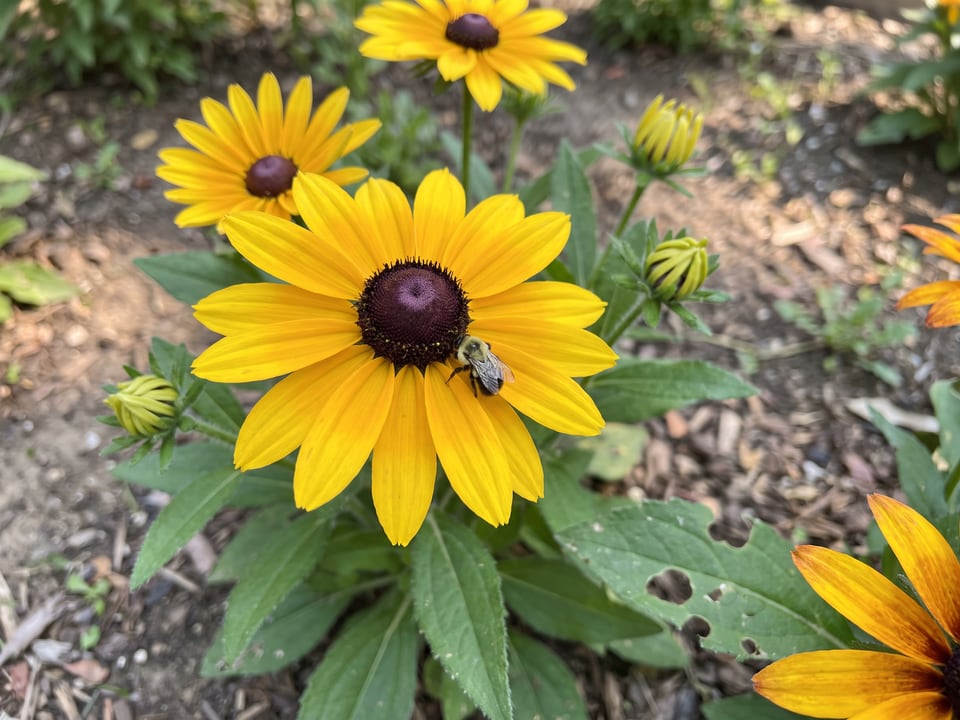
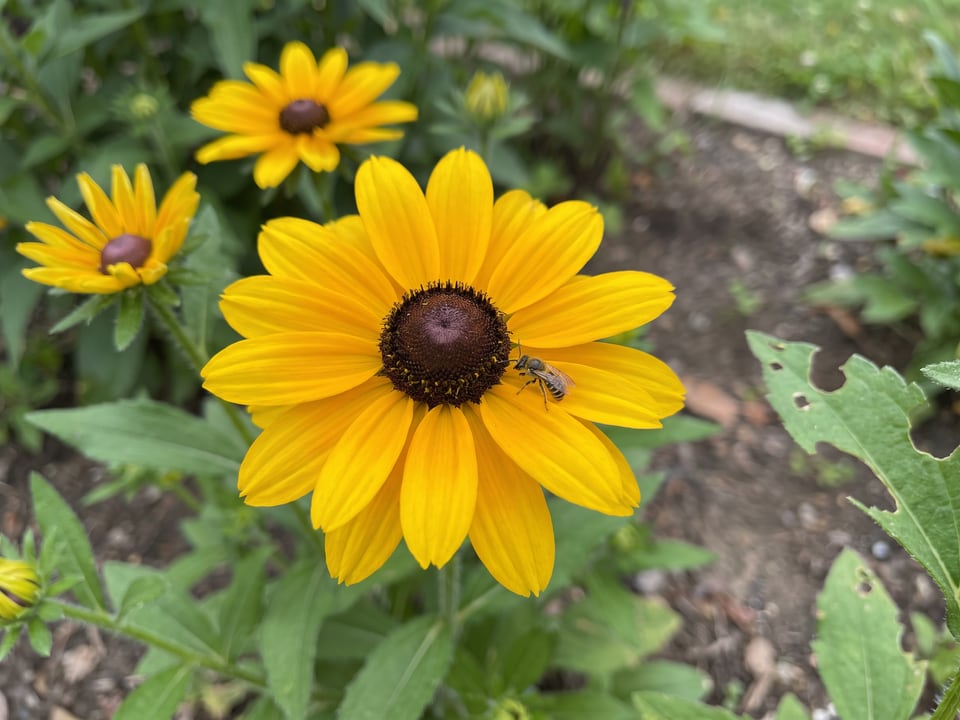
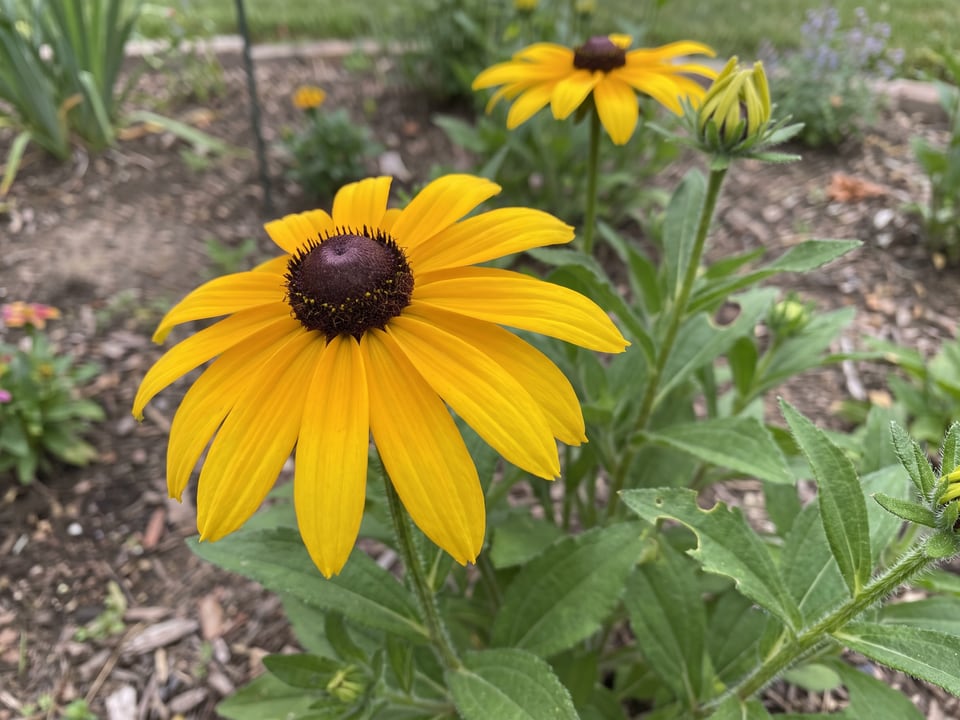
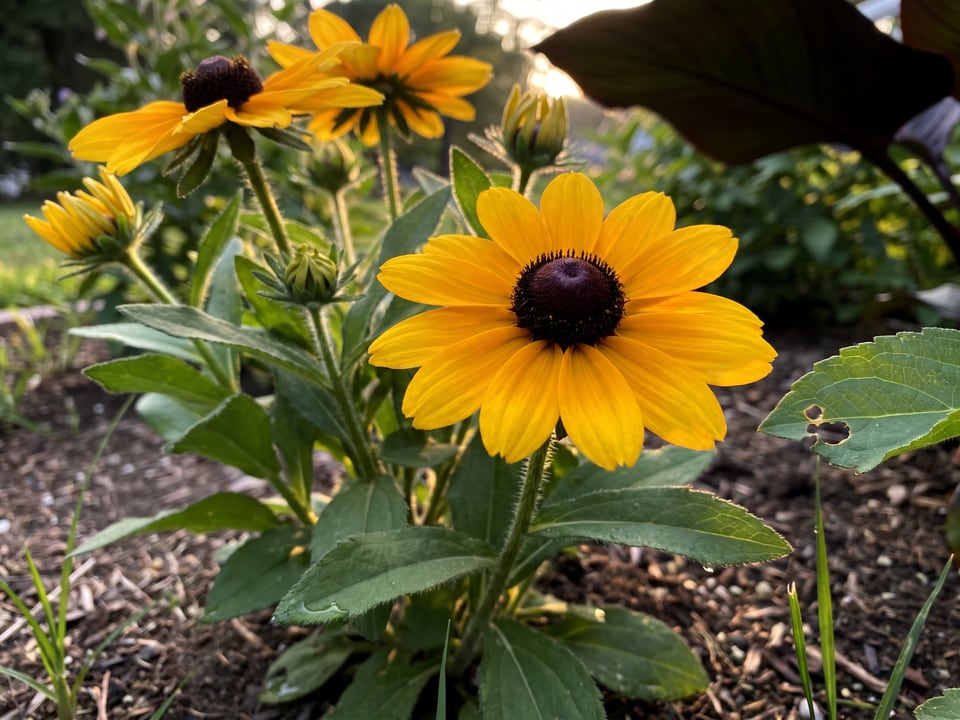
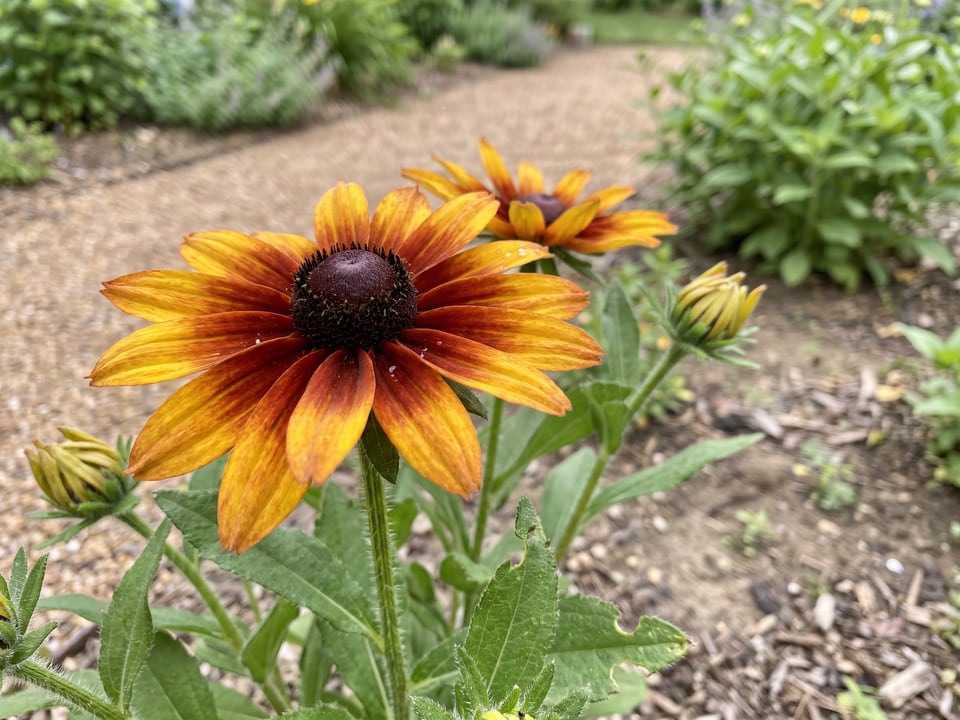
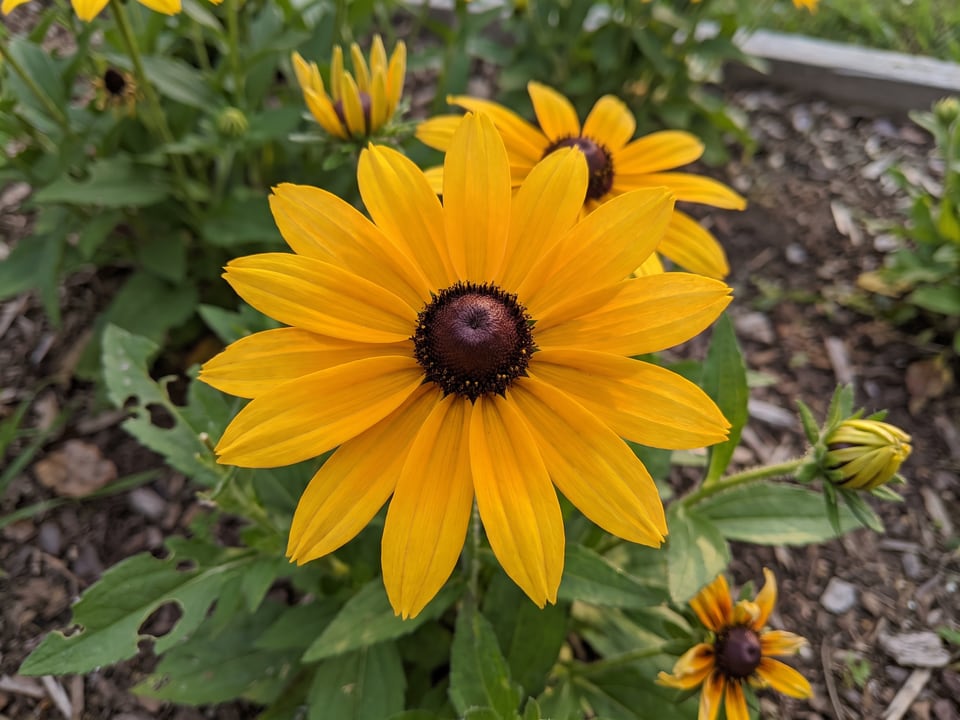
How to choose
Pick the species for how long you want the planting to last. NC State Extension describes Rudbeckia hirta as short-lived and Rudbeckia fulgida as a herbaceous perennial.
Check the Hardiness column. NC State Extension lists zones 3a to 8b for Rudbeckia hirta and 3a to 9b for Rudbeckia fulgida.
Check the deer rating on each record. It comes from the Rutgers NJAES list of landscape plants, where the B rating means seldom severely damaged.
Frequently asked questions
When do black-eyed Susans bloom?
From summer into fall. NC State Extension says Rudbeckia hirta first flowers in midsummer and continues into the middle of fall with deadheading, and gives August to October for Rudbeckia fulgida.
What is the difference between Rudbeckia hirta and Rudbeckia fulgida?
NC State Extension describes Rudbeckia hirta as a biennial or short-lived perennial that blooms the first year from seed and self-seeds, and Rudbeckia fulgida as a herbaceous perennial that spreads by rhizomes. Hirta plants reach 2 to 4 feet and fulgida plants 2 to 3 feet on those pages.