- Other species
- Perennial
- Zones 5–8
- Yellow
- Single
Rudbeckia missouriensis
Missouri coneflower
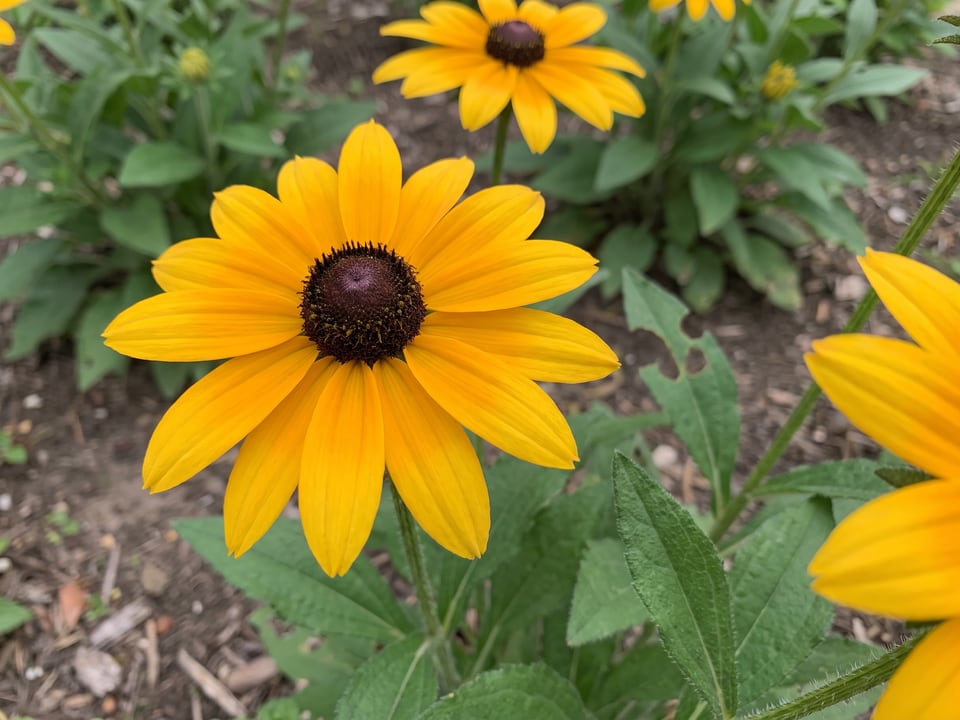
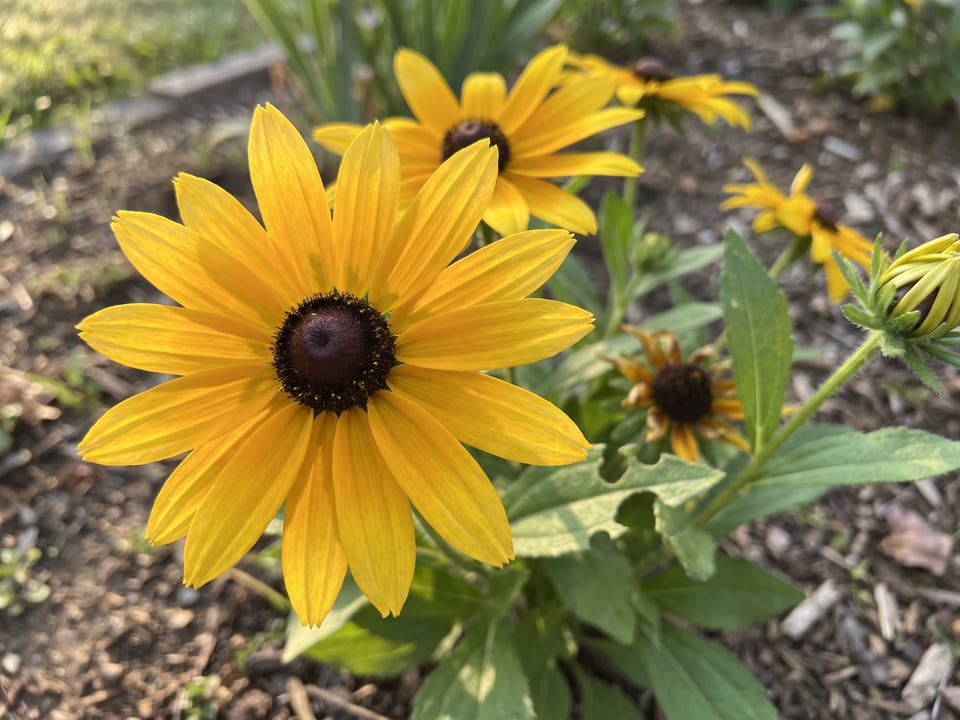
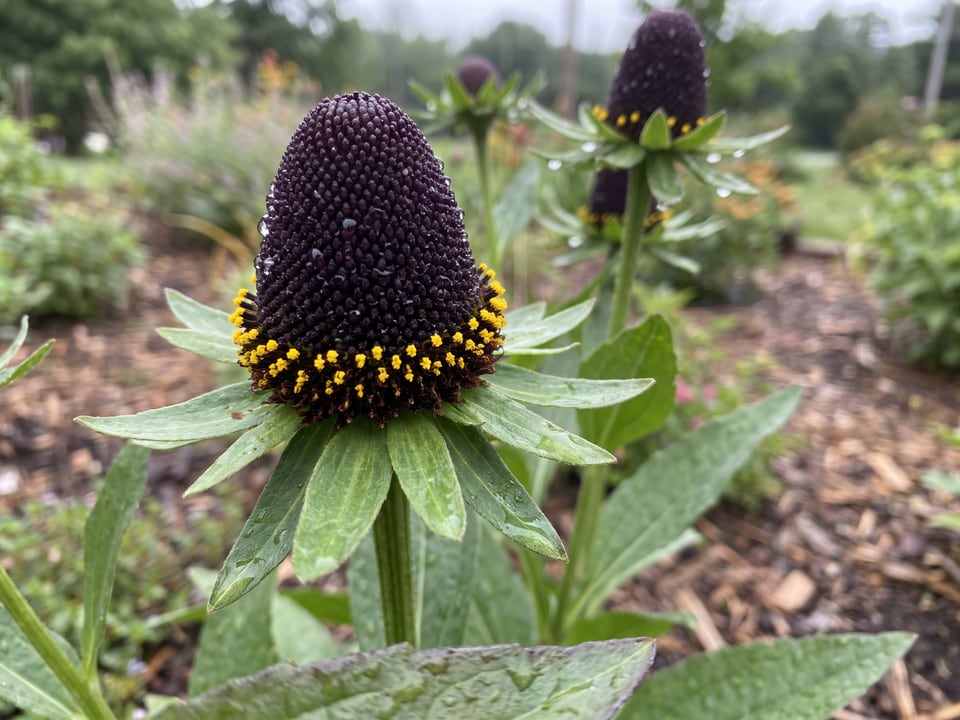
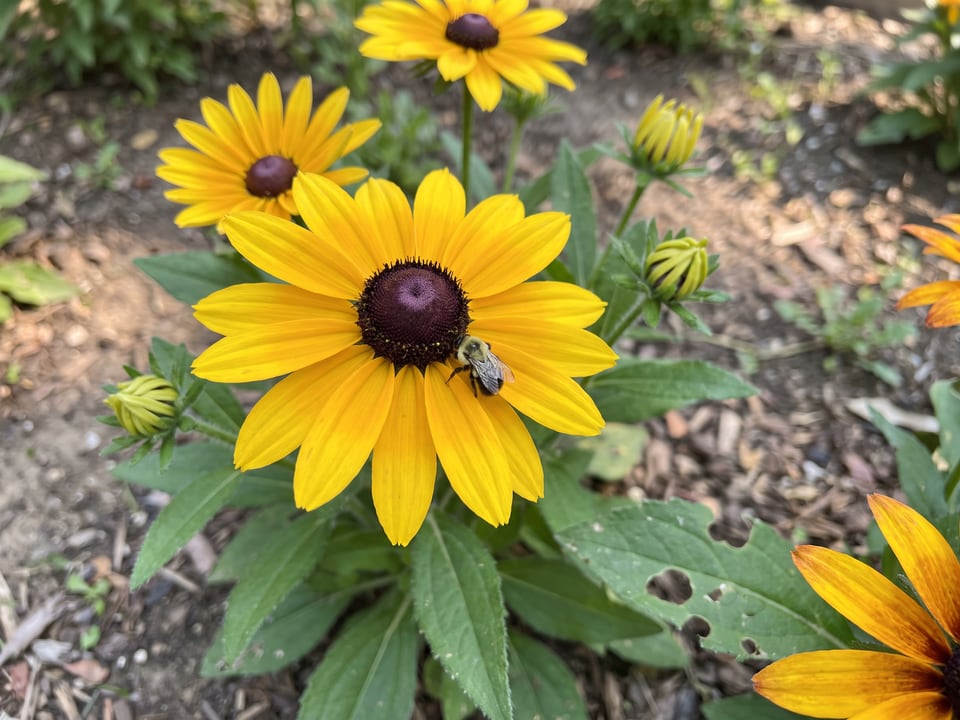
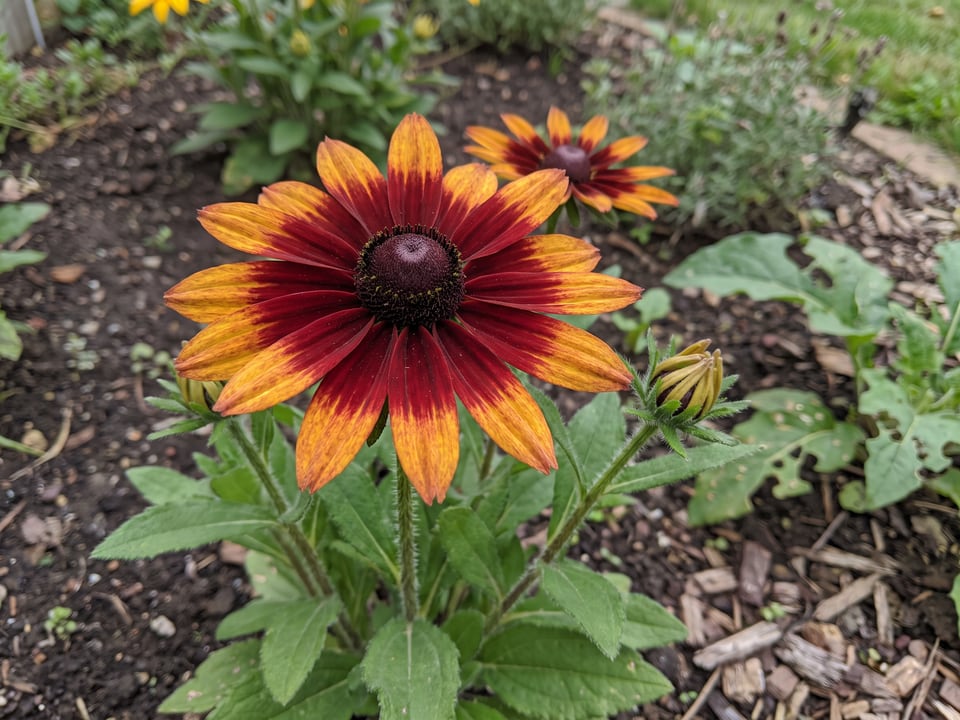
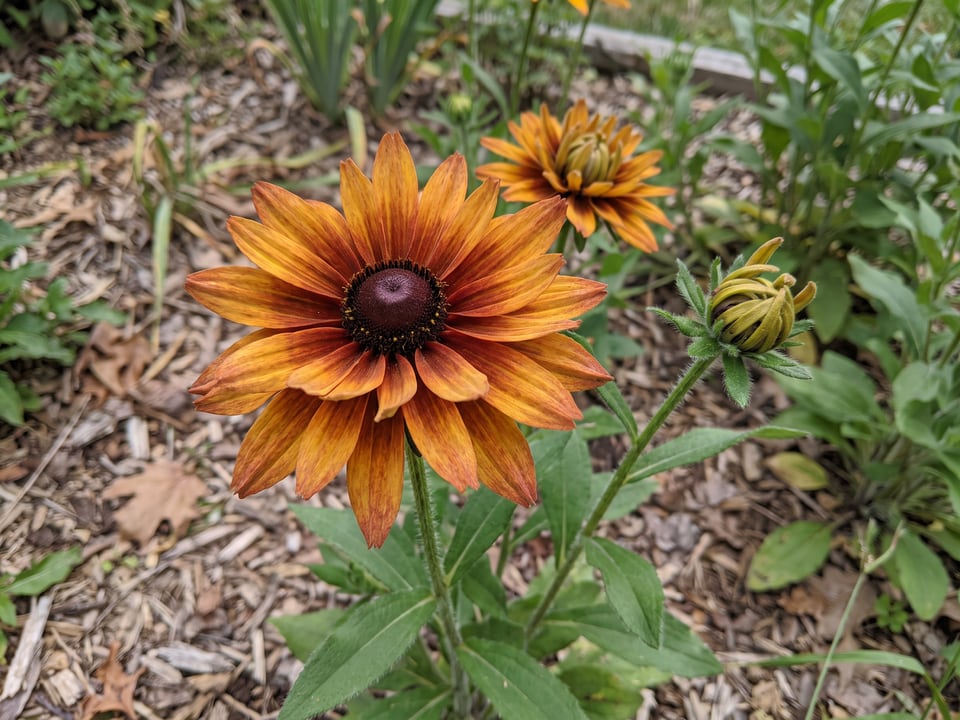
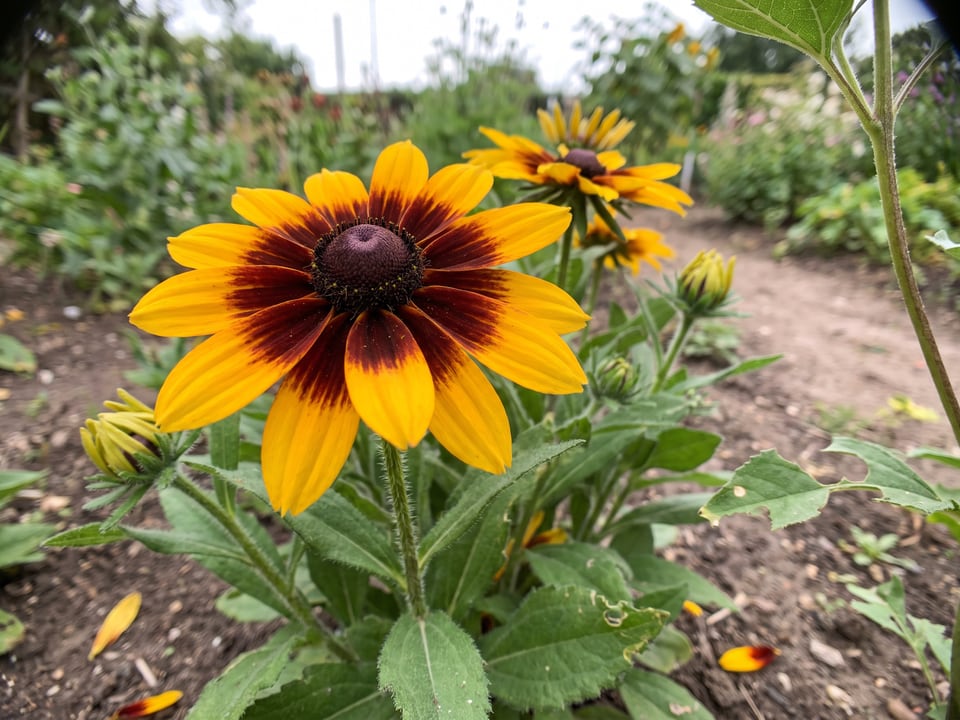
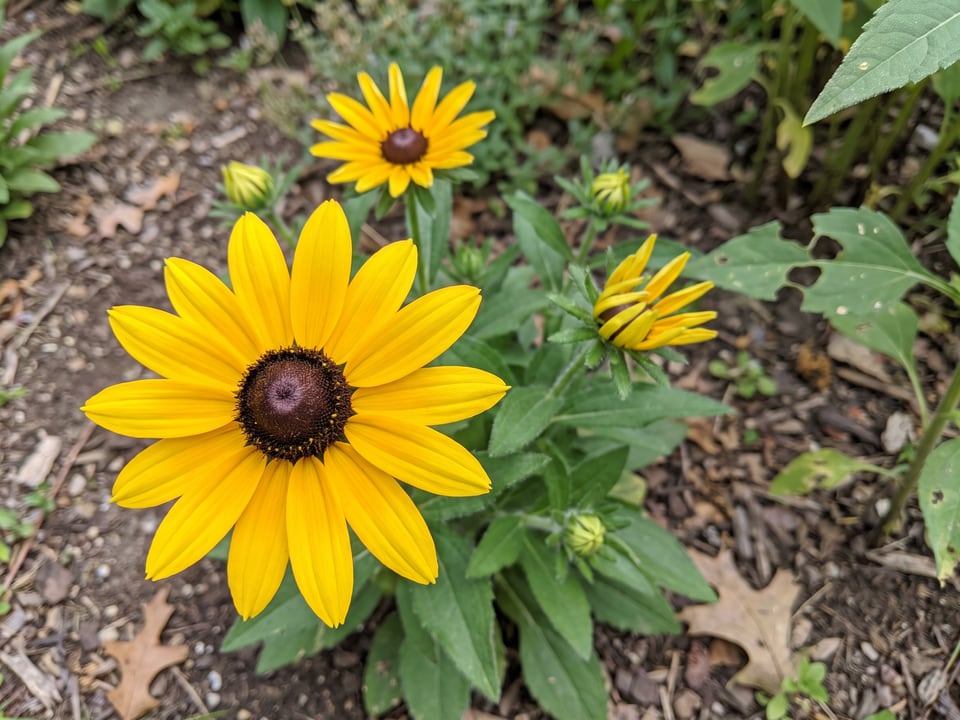
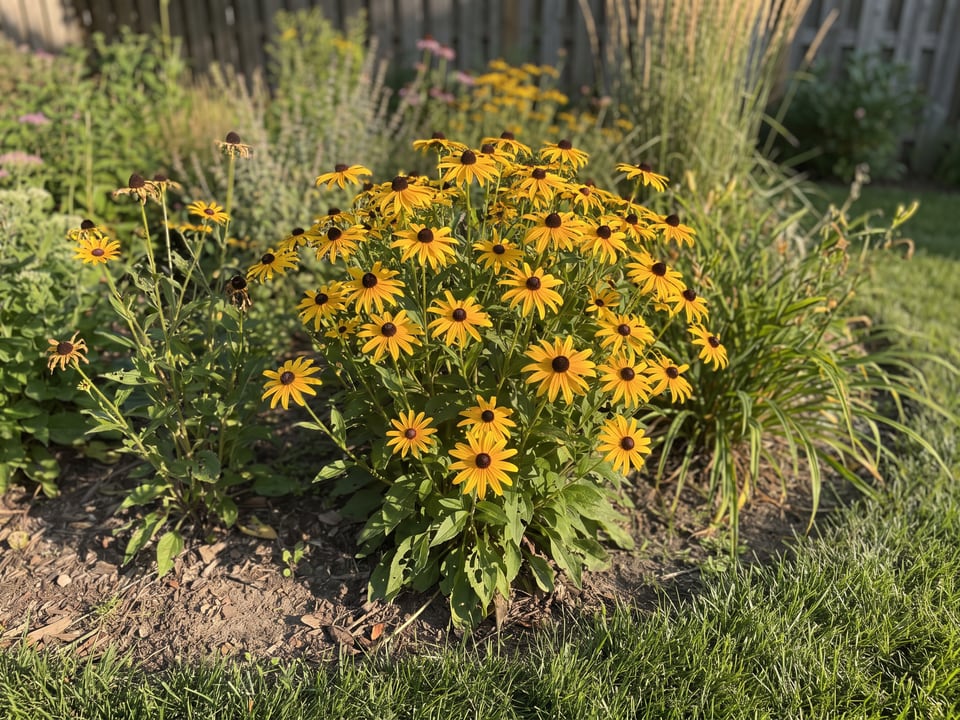
Perennial other species black-eyed Susan in yellow, blooming in early summer, midsummer, late summer, and fall. Daisy-like flowers with yellow rays and black center disks on branched stems. USDA zones 5–8.
Cross-referenced · 3 sources
At a glance
- Flower form
- Other species Single
- Colors
-
- Yellow
- Blooms
- Early summer, Midsummer, Late summer, Fall
- Vase life
- Not grown for cutting
- Height
- 2–3 ft (61–91 cm) Spread: 1–2 ft (30–61 cm)
- Sunlight
- Full sun
- Hardiness
- USDA zones 5–8 Perennial
- Planted as
- Plant
- Botanical name
- Rudbeckia missouriensis
In the garden
- Butterflies
- Seldom severely damaged by deer (Rutgers rating)
Origin
Missouri native perennial of limestone glades in the Ozark region, often spreading to form large colonies in the wild.
Sources
Where to buy
We're adding trusted sources for this variety.
All photos
Questions
Is Rudbeckia missouriensis hardy in my zone?
Rudbeckia missouriensis survives winter in the ground in USDA zones 5 to 8. In colder zones treat it as an annual or lift it before the ground freezes.
Does Rudbeckia missouriensis need full sun?
Rudbeckia missouriensis grows in full sun.
When does Rudbeckia missouriensis bloom?
Rudbeckia missouriensis blooms in early summer, midsummer, late summer, and fall.
Is Rudbeckia missouriensis good for cutting?
Our sources don't list Rudbeckia missouriensis as a cut flower or give a vase life for it.