Annuals vs perennials: which flowers come back
Oct 2, 2026 · 8 min read
Annuals vs perennials for 11 garden flowers: which come back, why dahlias are not reliably winter hardy outside zone 9, and how biennials fit in.
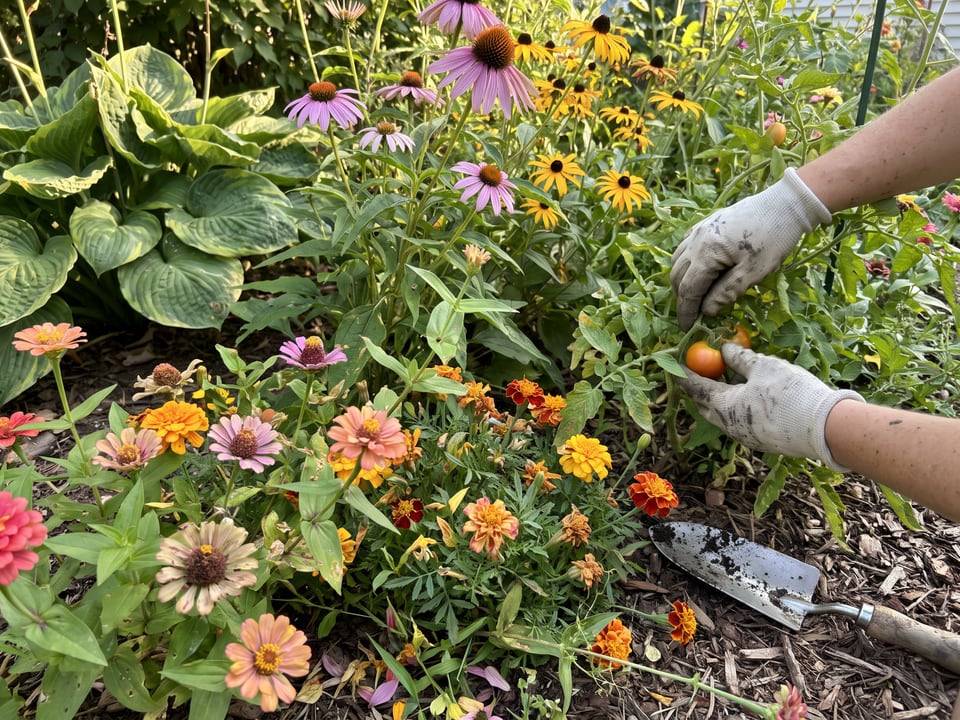
An annual finishes its whole life in one growing season: it sprouts, flowers, sets seed and dies. A perennial lives for years, dying back in winter and regrowing from the same roots, bulb or crown. How a plant behaves in your yard also depends on your winter. Dahlias are perennials, but UGA Extension says they are not reliably winter hardy outside zone 9 unless heavily mulched. The sections below cover the definitions first, then the flowers people ask about most.
Annuals vs perennials: the definitions
Illinois Extension defines annuals as garden flowers that complete their life cycle in one growing season. Zinnias, marigolds and sunflowers all fit. You plant them in spring after frost and they flower until cold weather kills them in fall.
Perennials keep going. Peonies, hostas, coneflowers and most black-eyed Susans die back to the ground each winter and send up new shoots in spring. Tulips, daffodils and lilies do the same from bulbs.
Biennials and tender perennials fall between the two.
What is a biennial?
A biennial needs two seasons. It usually grows leaves in the first year, flowers in the second, then dies. Some biennials flower in their first year if you sow them early, which makes them easy to mistake for annuals. NC State Extension says exactly this about Rudbeckia hirta, the common black-eyed Susan (more on that below).
What is a tender perennial?
A tender perennial is a plant that would come back every year in a warm climate but cannot survive a cold winter. Illinois Extension describes these as plants that, grown far enough south, would be perennial and return each year. Gardeners further north grow them as annuals, or dig them up and store them indoors. Illinois Extension’s examples include geranium, lantana and coleus. Dahlias behave the same way: UGA Extension says they are not reliably winter hardy outside zone 9.
How hardiness zones decide what comes back
The USDA Plant Hardiness Zone Map is based on the average annual extreme minimum winter temperature, split into 10 °F zones and 5 °F half zones. A plant rated for zones 3 to 9 survives the typical coldest night in zone 3. A plant rated for zones 9 to 11 does not survive the typical coldest night in zone 8.
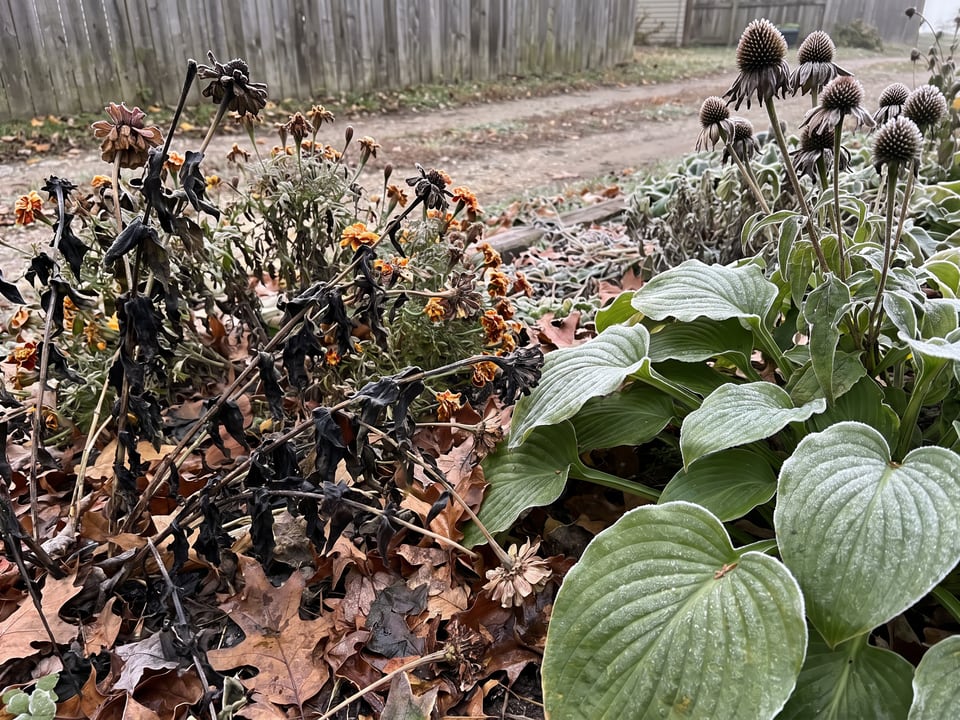
So “is this a perennial?” really has two parts: is it a perennial by nature, and is your zone inside its range? If you are unsure of your zone or your frost dates, the spring flower planting calendar and the fall bulb calendar look both up by ZIP code.
Annual or perennial: the flowers in our catalog
This table lists each flower group we cover, how it lives, and the span of USDA zones across its records in our catalog. The zone span covers every variety we list, so a single variety can have a narrower range. Check the variety page before you plant.
| Flower | Life cycle | USDA zones across our records |
|---|---|---|
| Dahlias | Tender perennial (tuber) | 8 to 11 |
| Zinnias | Annual | Grown as an annual in 1 to 13 |
| Marigolds | Annual; one perennial species | Grown as an annual in 1 to 13; the perennial 8 to 11 |
| Sunflowers | Annual | Grown as an annual in 2 to 11 |
| Black-eyed Susans | Mostly perennial; some annual or biennial | 3 to 10 |
| Coneflowers | Perennial | 3 to 10 |
| Peonies | Perennial | 3 to 9 |
| Hostas | Perennial | 3 to 9 |
| Tulips | Perennial (bulb) | 3 to 8 |
| Daffodils | Perennial (bulb) | 2 to 10 |
| Lilies | Perennial (bulb) | 2 to 10 |
For annual zone numbers, read them as “grows as a summer annual here,” since the plant dies at the first hard frost in every zone. You can browse everything that comes back on the perennials page and the single-season flowers on the annuals page.
Are dahlias annuals or perennials?
Dahlias are perennials, but tender ones. University of Georgia Extension says dahlias are not reliably winter hardy outside zone 9 unless heavily mulched, and should be dug and stored dry and cool. In our catalog, no dahlia is rated colder than zone 8.
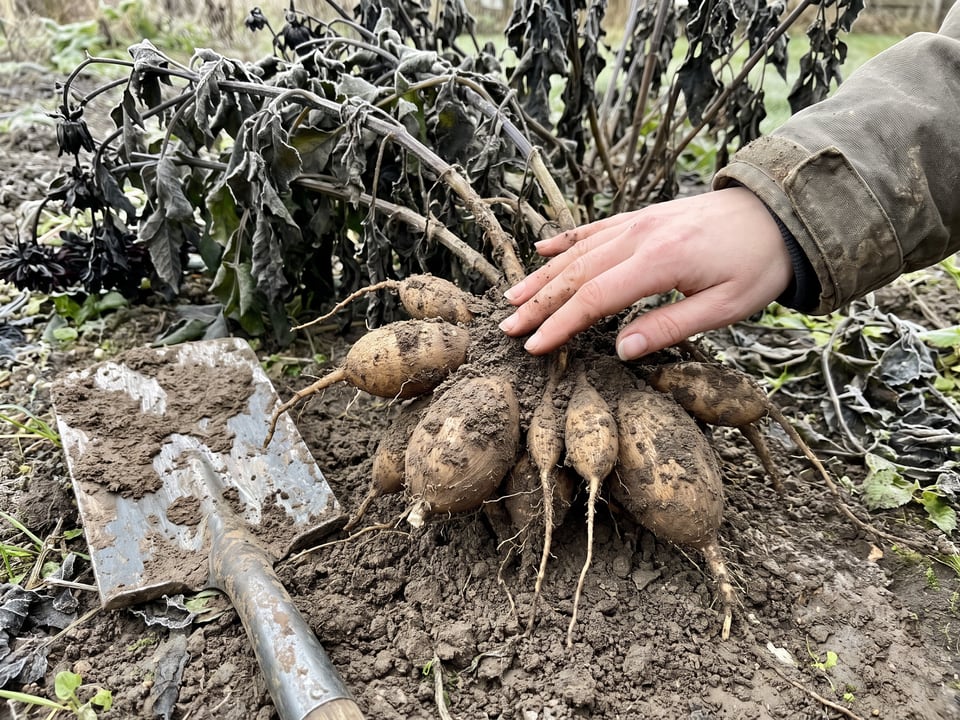
In practice you have two choices in zone 8 and colder:
- Treat them as annuals and buy new tubers each spring.
- Dig the tubers after frost blackens the foliage, store them over winter and replant in spring.
Digging is worth it for varieties you like. A tall decorative like Café au Lait, which reaches about 4 feet (122 cm) in our records, or the red Bishop of Llandaff will come back from the same clump for years if the tubers stay dry and frost-free. Our guide on how to store dahlia tubers covers digging, curing and dividing, and the bulb planting tool gives a dig-up window by ZIP code.
Do zinnias come back every year?
No. Zinnias are annuals. NC State Extension describes Zinnia elegans as a flowering annual and says to sow seed directly in the ground after the last frost date. The first hard frost in fall ends the plant.
To grow a variety again, such as the tall dahlia-flowered Benary’s Giant, sow fresh seed each spring. See how to grow zinnias for timing.
Are marigolds perennials?
Common marigolds are not perennials. Clemson Extension lists the plant type as warm-season annual. French and African marigolds such as Lemon Gem and Crackerjack flower from early summer until frost and then die.
There are exceptions in the same genus. Clemson describes Mexican marigold (Tagetes lemonii) as a perennial shrub hardy in zones 8 to 11. In our catalog, Sweet Mace is recorded as a perennial for zones 8 to 11 and blooms late, in late summer and fall. North of zone 8 it behaves like an annual too. Planting dates for the common kinds are in when to plant marigolds.
Are black-eyed Susans perennials?
It depends on the species. Most garden black-eyed Susans are perennials, including the popular Rudbeckia fulgida selections such as Goldsturm, rated for zones 3 to 9 in our catalog.
Rudbeckia hirta, the common wild black-eyed Susan and parent of many seed-grown varieties, is different. NC State Extension calls it a biennial or short-lived perennial and notes that because it blooms in its first year from early spring sowing, it is often mistaken for an annual. It also self-seeds freely, so a patch often persists even as individual plants die out. Some hirta varieties are sold and grown as annuals; Autumn Forest is one of them in our records.
If you want a clump that returns from the same roots, choose a fulgida type. If you are fine with a patch that renews itself from seed, hirta works. Both show up on the full-sun perennials page.
Do sunflowers come back every year?
Common sunflowers do not. Helianthus annuus is an annual, and the species name means annual. NC State Extension says it is not frost-tolerant and is best sown after the last spring frost and harvested before the first fall frost.
Sunflowers do self-seed readily, so volunteers often come up where heads dropped seed. That is new plants, not the old one returning. Whether you grow a giant like Mammoth, recorded at 12 feet (366 cm), or the shorter Teddy Bear, plan on sowing each spring.
Which should you plant?
Annuals give you color the first summer and a free hand to change the bed next year. Zinnias, marigolds and sunflowers all flower within one season from seed and keep going until frost. The full-sun annuals page groups them.
Perennials take longer to settle in but return for years without replanting. Peonies and hostas are long-lived choices. For a bed that stays in color through the season, see the perennials that bloom all summer, and if deer visit your garden, start with the deer-resistant perennials. For shady beds, start with the shade perennials.
Many gardens mix both, with perennials as the frame and annuals filling gaps. Dahlias take more or less work depending on your zone.