Dinnerplate dahlia varieties
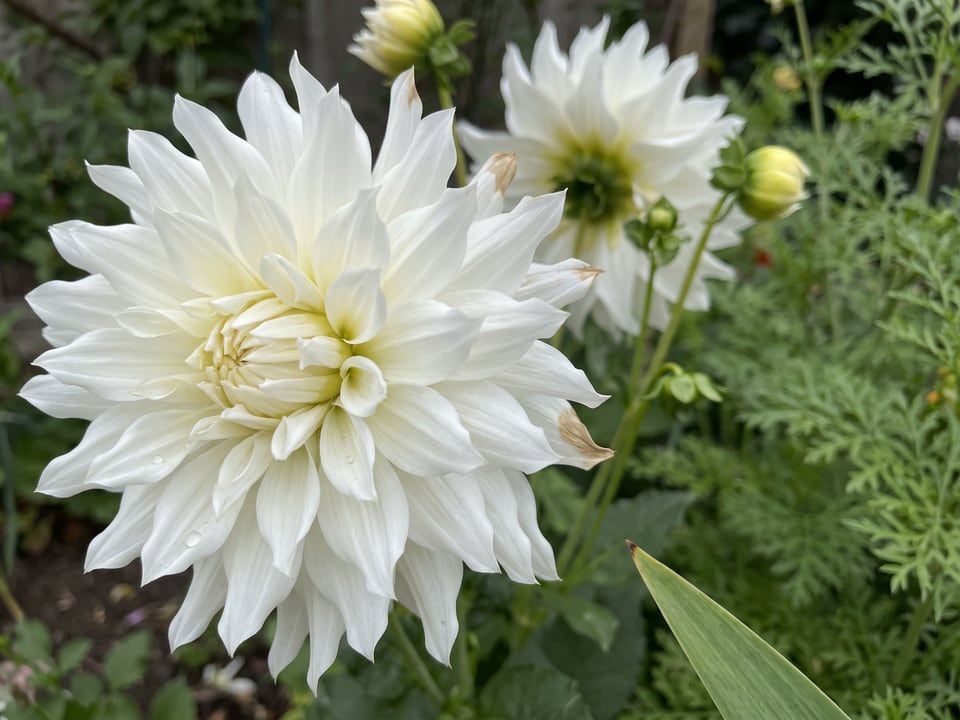
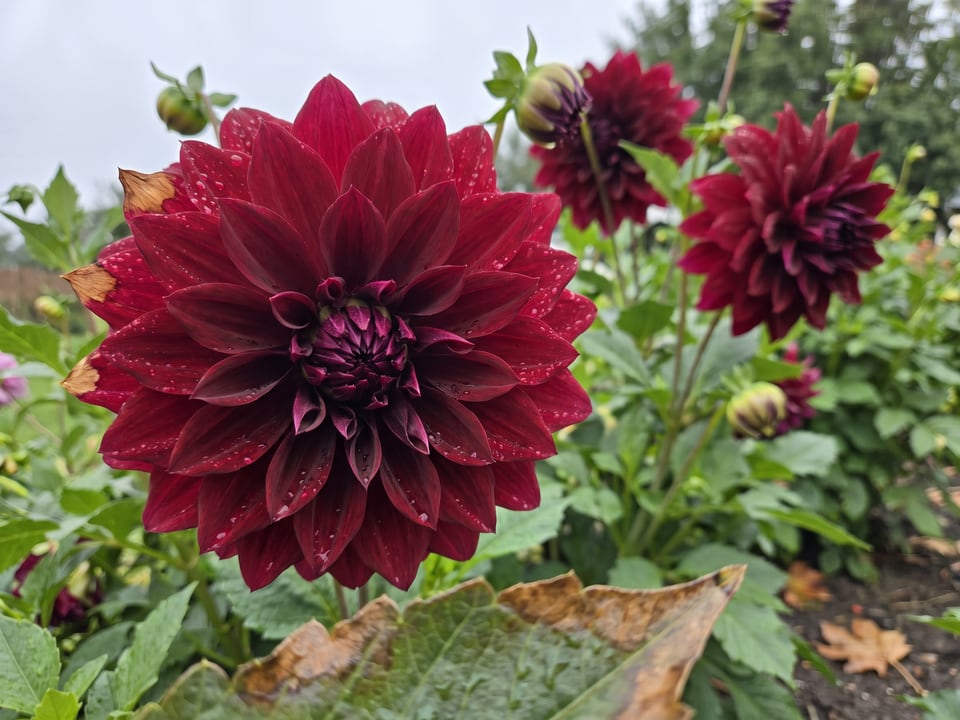
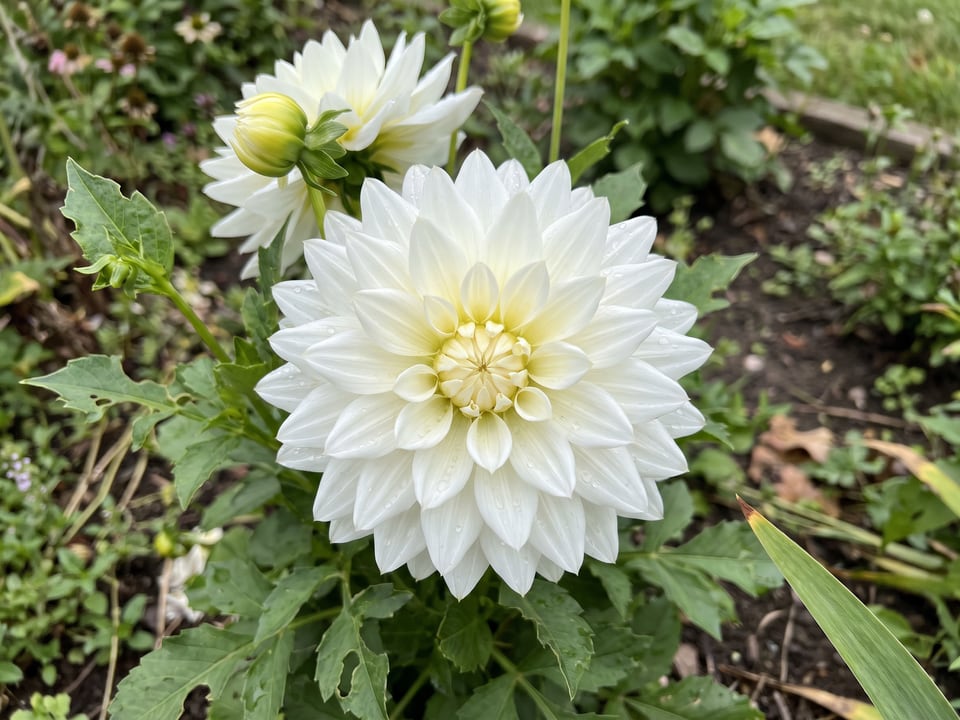
Dinnerplate dahlias are the two largest size classes of the American Dahlia Society, Giant (AA) with blooms over 10 inches and Large (A) with blooms of 8 to 10 inches. The table below compares every variety we list side by side.
- Varieties
- 10
- Height
- 3–4½ ft (91–137 cm)
- Hardiness
- USDA zones 8–11
- Form
-
7 Informal decorative
2 Formal decorative
1 Semi-cactus
All 10 dinnerplate dahlia varieties
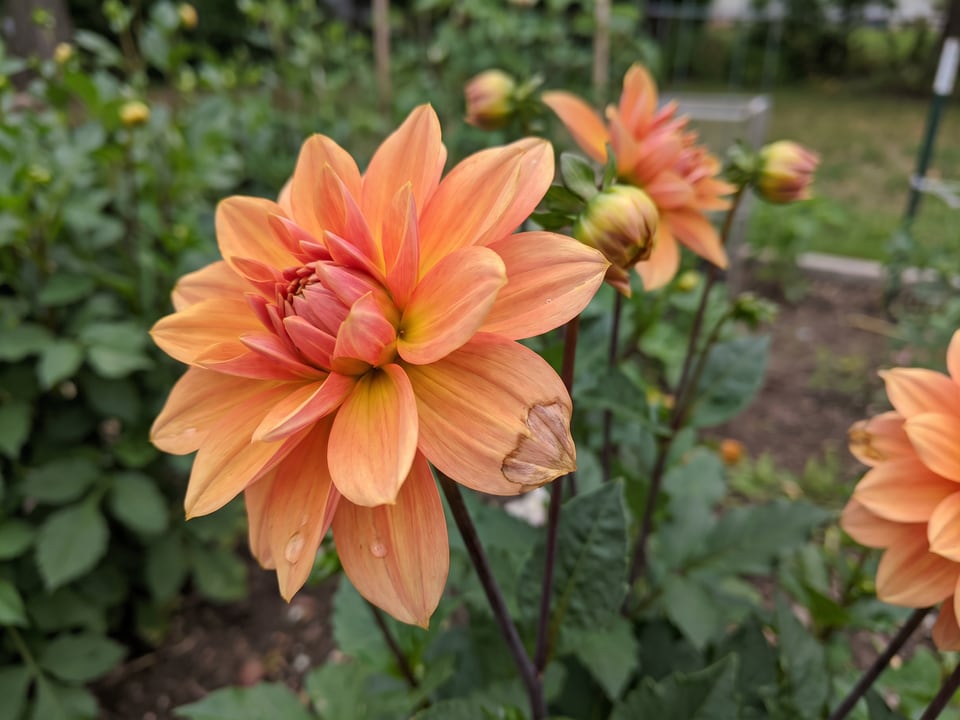
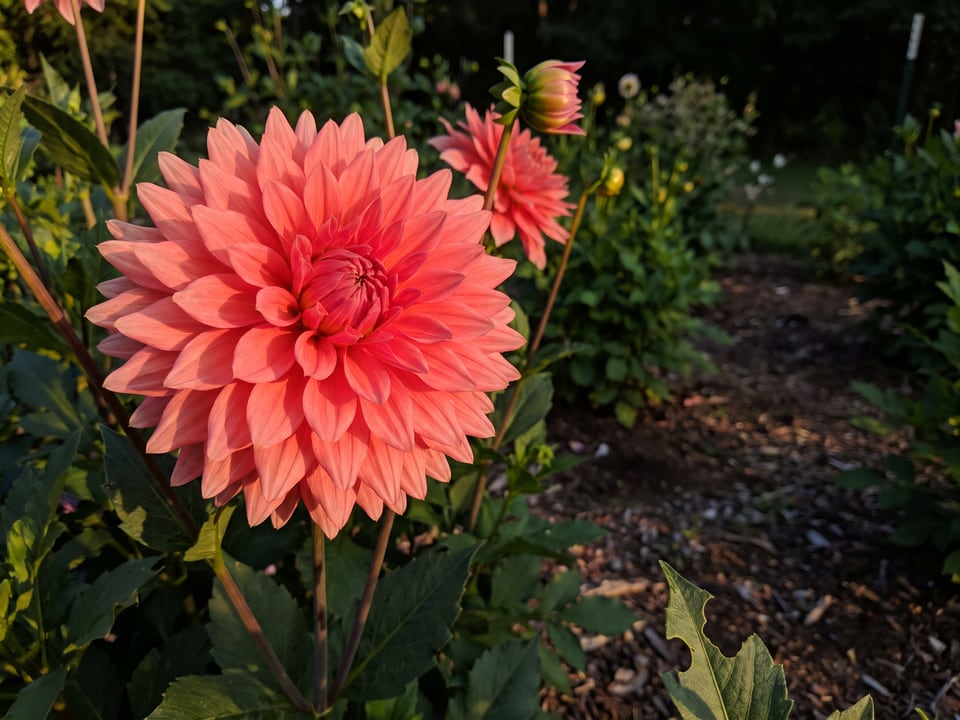
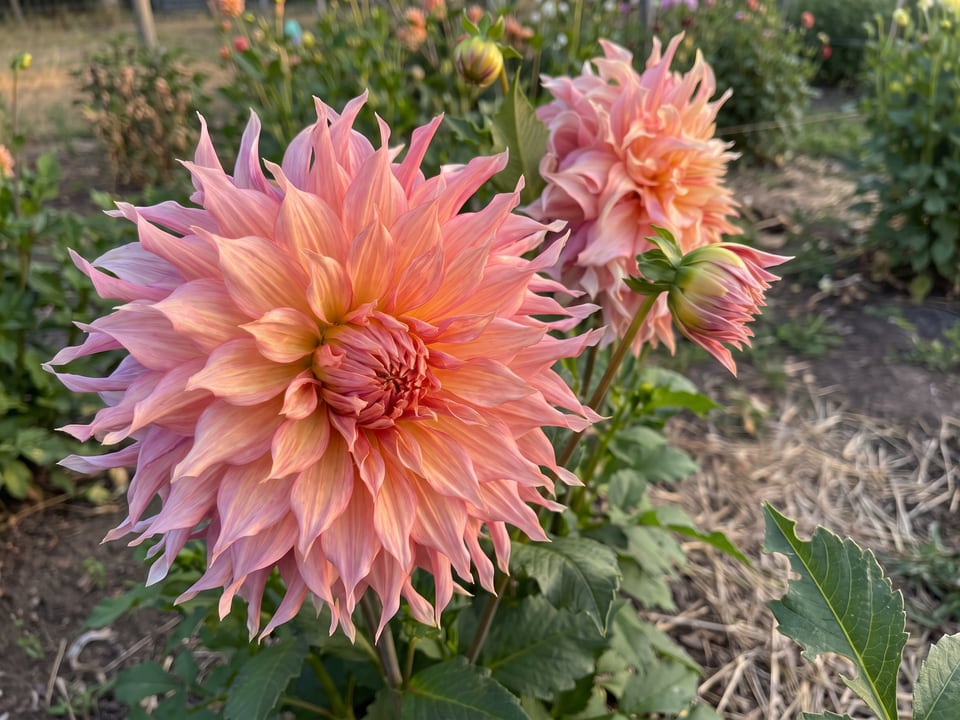
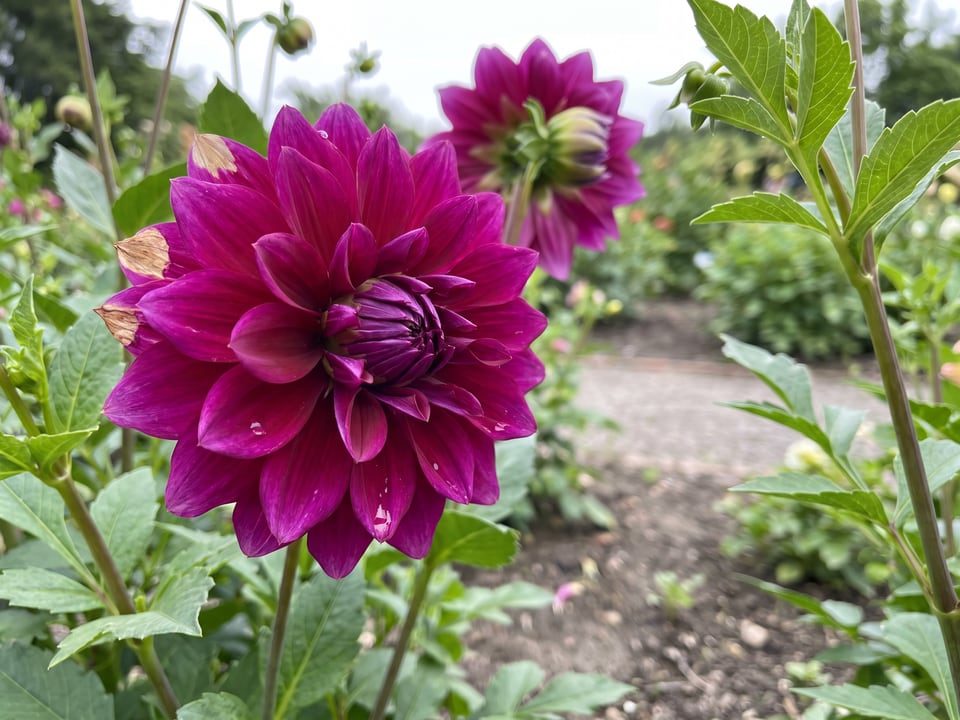
How to choose
-
Check the Height column and plan a stake for each plant. Oregon State University Extension says dahlias taller than 36 inches usually need stakes, and UGA Extension recommends stakes at least 6 feet long driven about 1 foot into the ground.
-
Use the size filter to separate Giant (AA) from Large (A) varieties if you want the biggest blooms only.
-
Compare the Form column. A dinnerplate class describes bloom diameter, so the petal shape still differs from one variety to the next.
Compare side by side
| Color | Sunlight | |||||
|---|---|---|---|---|---|---|
| Emory Paul | Informal decorative | 4 ft (122 cm) | 8–10 | Late summer, Fall | Full sun | |
| Grand Finale | Semi-cactus | 4 ft (122 cm) | 8–10 | Late summer, Fall | Full sun | |
| Kelvin Floodlight | Formal decorative (estimated) | 3½ ft (102 cm) | 9–11 | Midsummer, Late summer, Fall | Full sun | |
| Mango Madness | Informal decorative | 3½ ft (107 cm) | 8–10 | Midsummer, Late summer, Fall | Full sun | |
| Otto's Thrill | Informal decorative | 4 ft (122 cm) | 8–10 | Late summer, Fall | Full sun | |
| Penhill Watermelon | Informal decorative | 3½–4 ft (102–122 cm) | 9–11 | Midsummer, Late summer, Fall | Full sun | |
| Purple Taiheijo | Informal decorative | 3 ft (91 cm) | 8–10 | Late summer, Fall | Full sun | |
| Snowbound | Informal decorative | 4 ft (122 cm) | 8–10 | Late summer, Fall | Full sun | |
| Spartacus | Informal decorative | 4½ ft (137 cm) | 8–10 | Late summer, Fall | Full sun | |
| White Perfection | Formal decorative | 3–4 ft (91–122 cm) | 9–11 | Midsummer, Late summer, Fall | Full sun |
Values marked like this (estimated) are estimates.
Frequently asked questions
Do I need to disbud dinnerplate dahlias?
UGA Extension calls disbudding a vital cultural practice, which means removing some of the flower and growth buds on each stem. Oregon State University Extension advises removing the outer two of the three buds that form at the end of each branch.