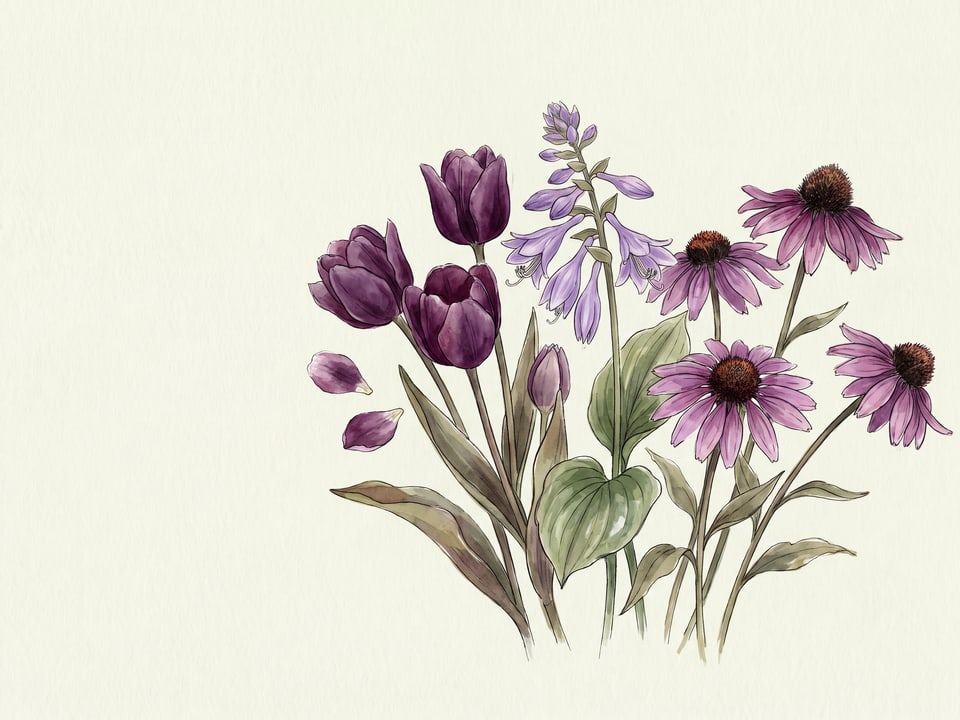
Purple perennials
These are the perennials in our records with purple among their flower colors. A plant is listed here only if its record gives a hardiness zone of 7 or colder, so it can stay in the ground over winter in zone 7 or colder; dahlias are left out for that reason. The table below compares every plant we list side by side.
- Varieties
- 17
- Height
- 0½–7 ft (10–213 cm)
- Hardiness
- USDA zones 3–10
- Flowers
-
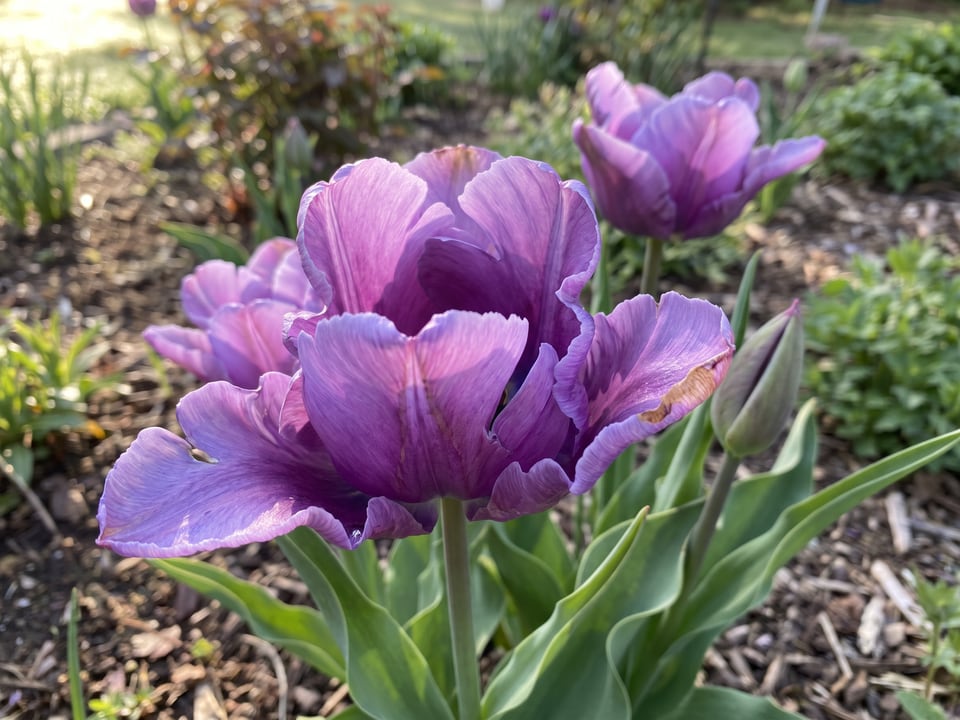
7 Tulips
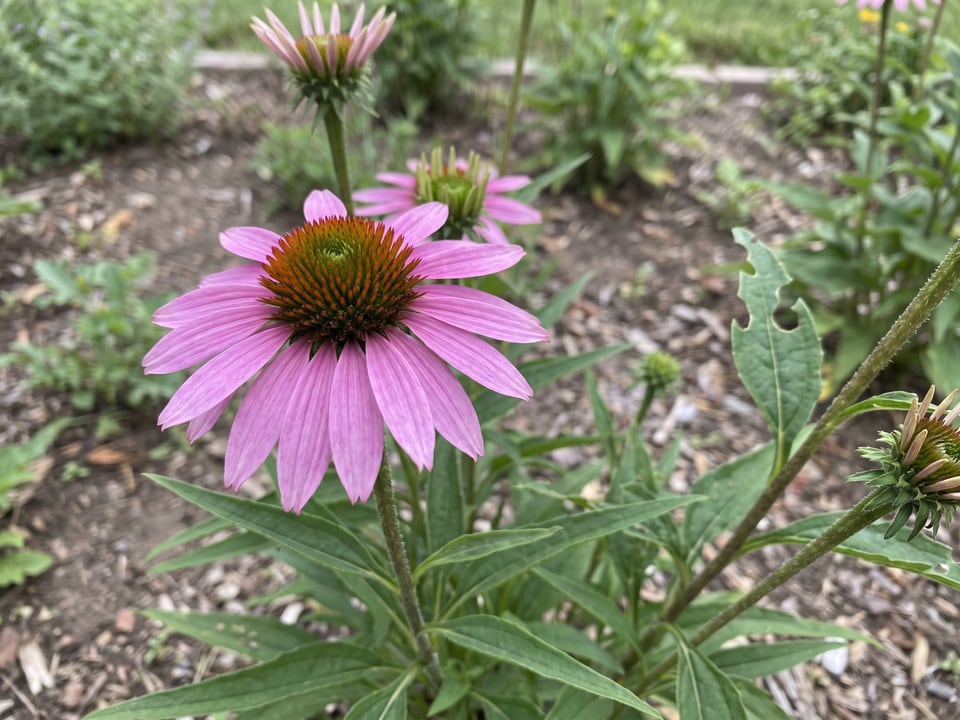
5 Coneflowers
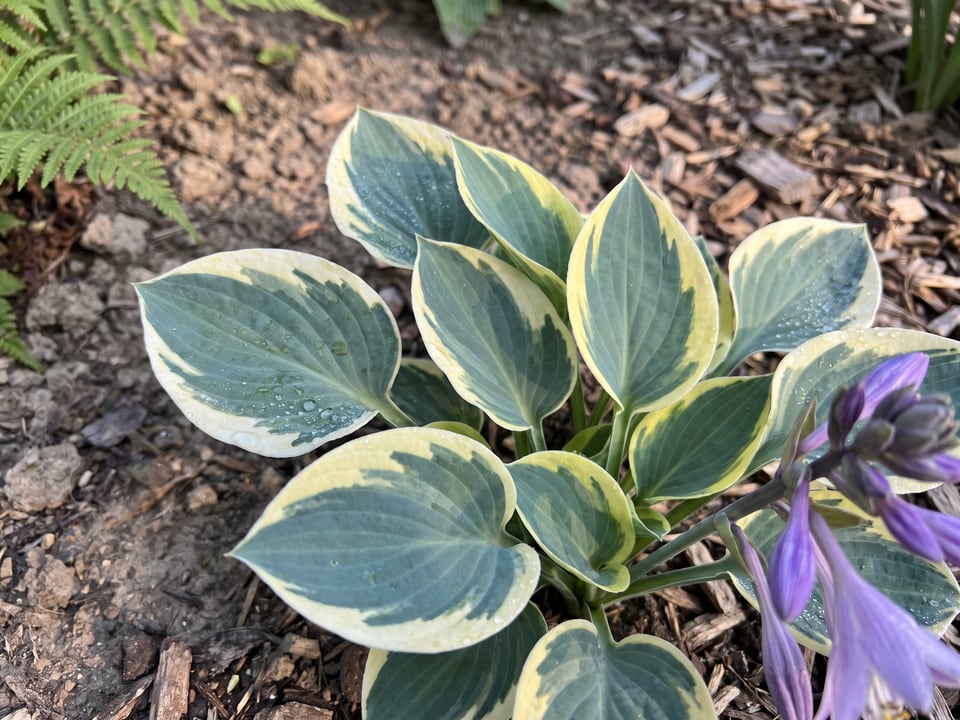
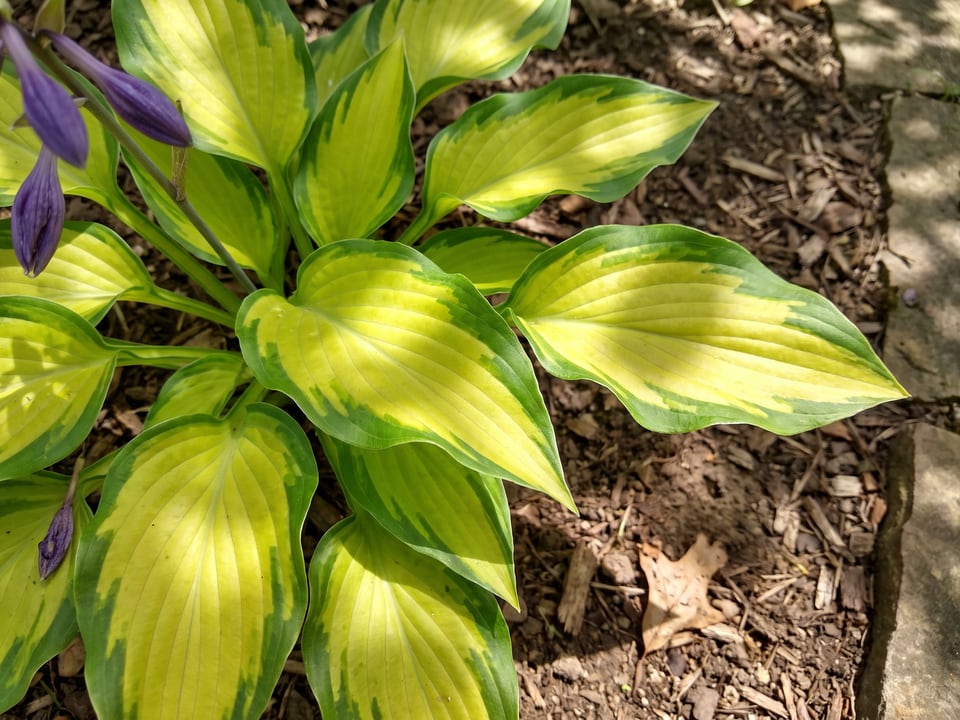
2 Hostas
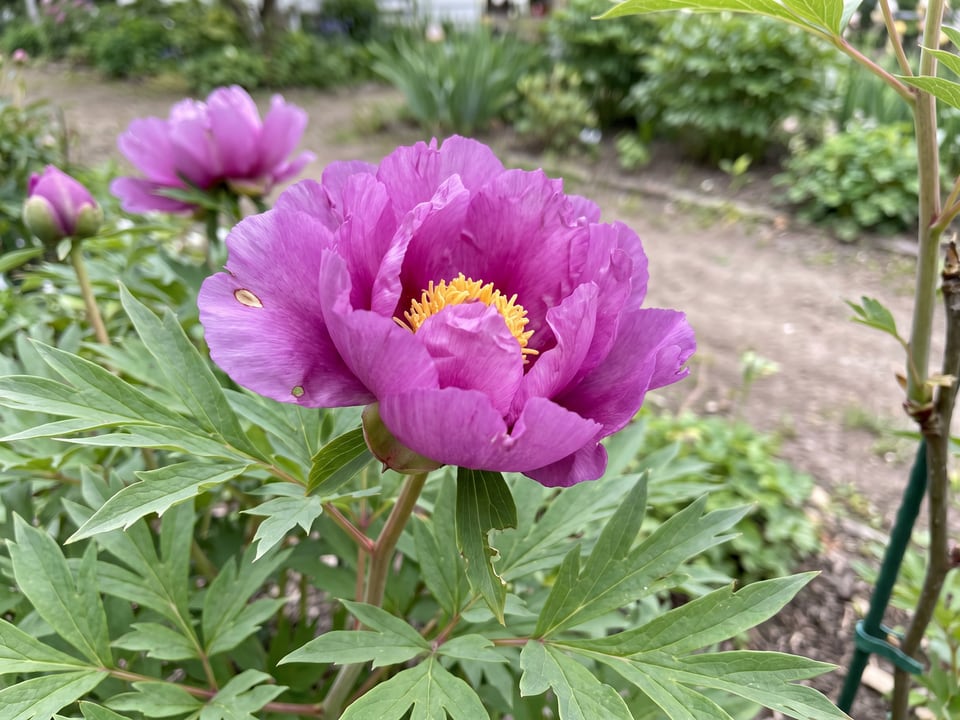
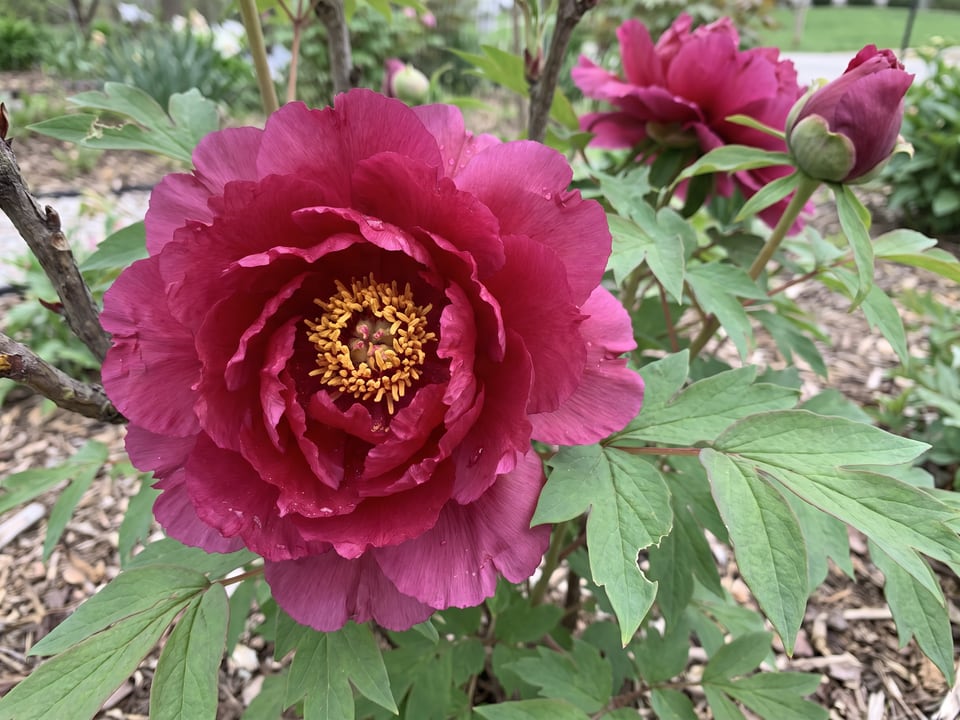
2 Peonies
1 Lilies
All 17 purple perennials
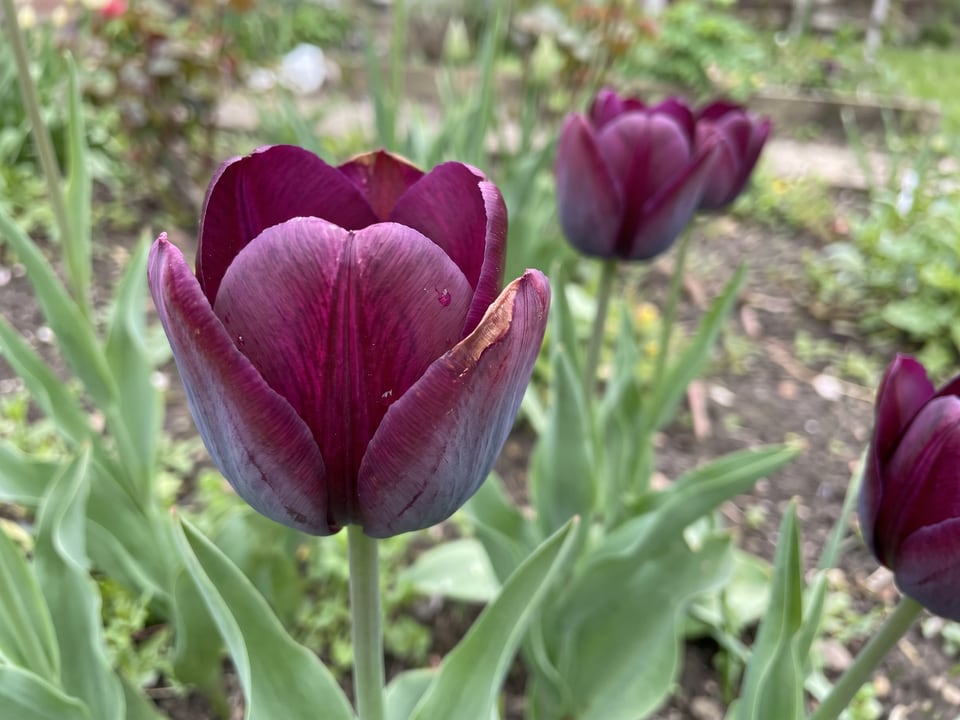
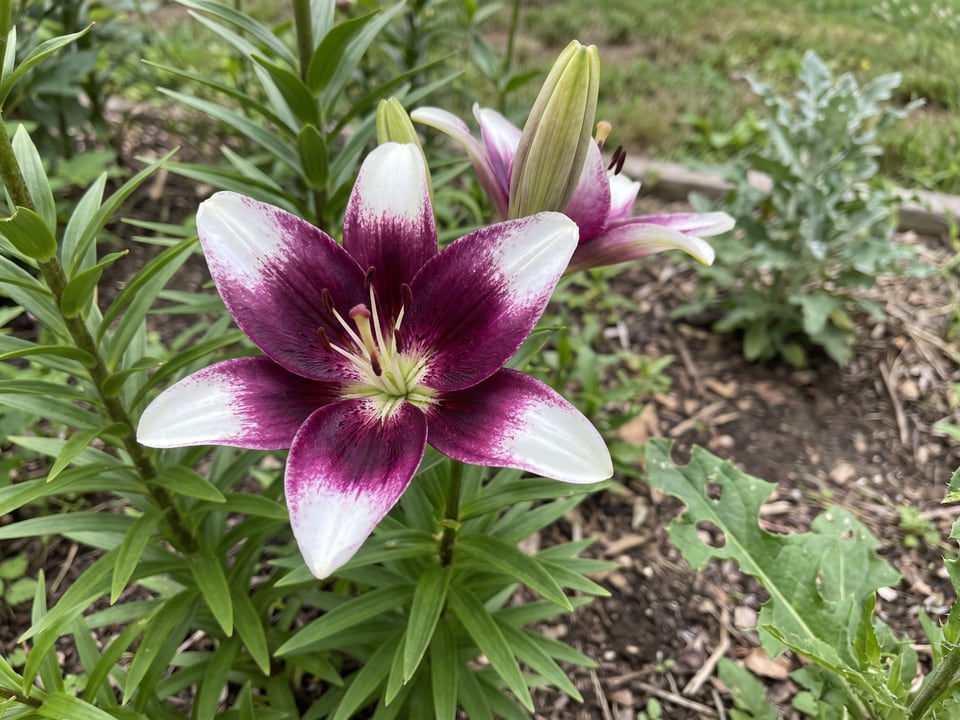
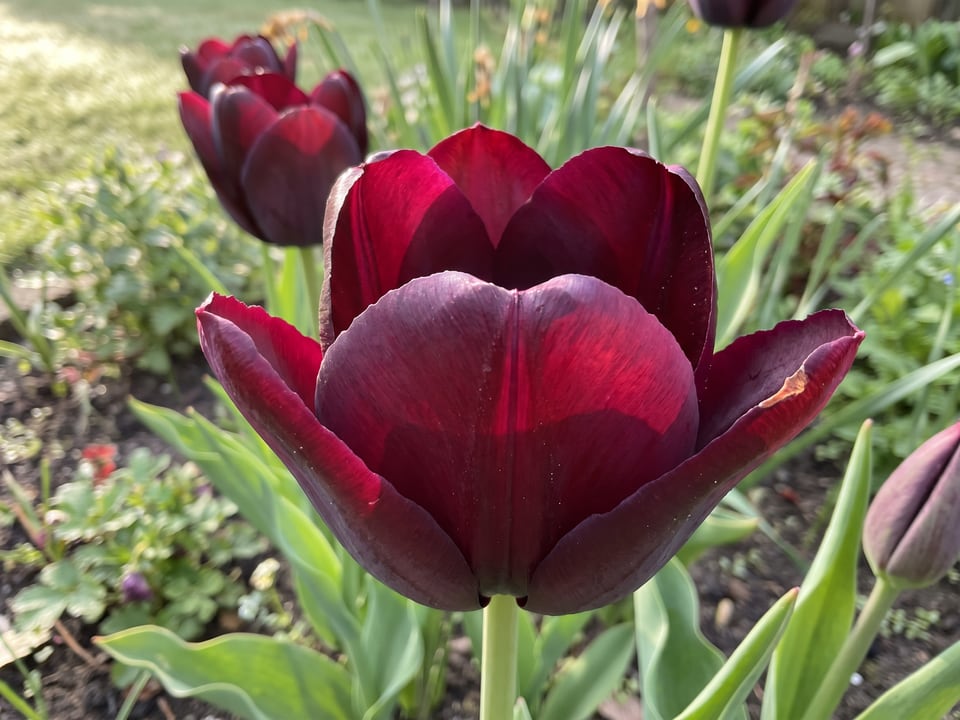
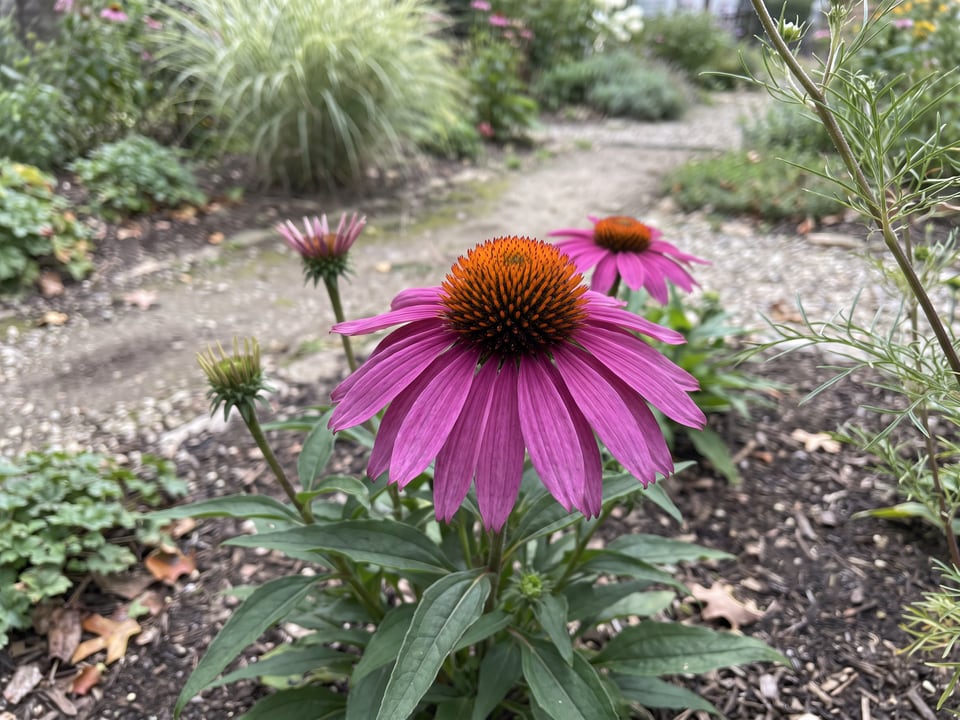
How to choose
- Look at the Color column. A bicolor or blend is recorded with every color the seller names, so a plant can appear here and on another color page.
- Check the Hardiness column against your USDA zone. The zone range tells you where the plant is expected to survive winter.
- Compare the Bloom time column if you want the color at a particular point in the season.
Compare side by side
| Color | Sunlight | |||||
|---|---|---|---|---|---|---|
| Arabian Mystery | Triumph tulip | 18 in (45 cm) | 3–8 (estimated) | Mid spring, Late spring | Full sun, Part sun, Part shade | |
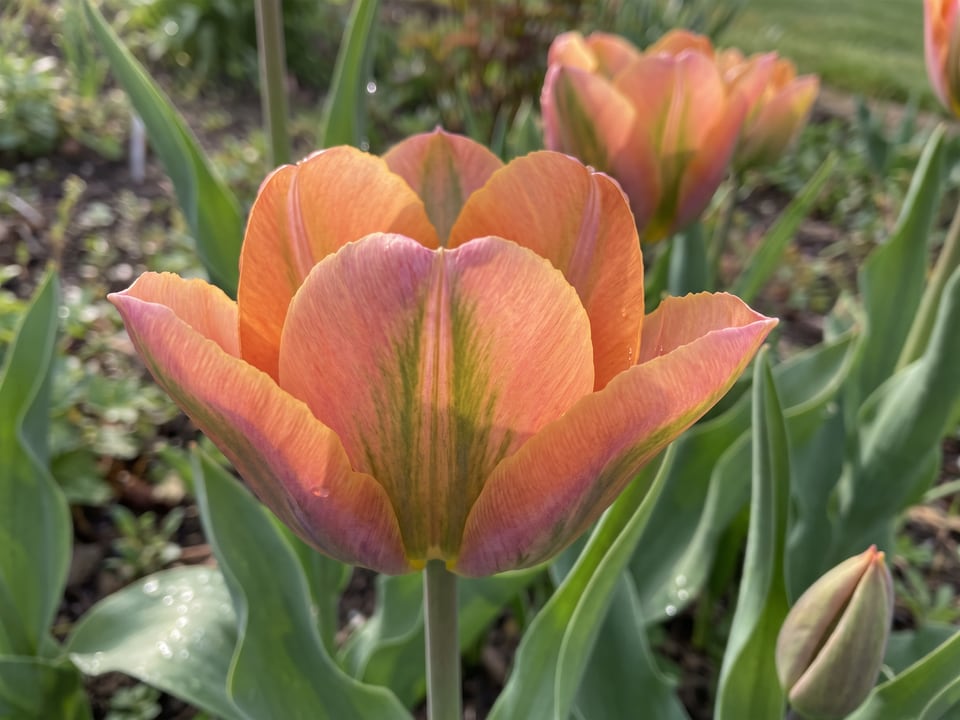
| Artist | Viridiflora tulip | 12–16 in (30–41 cm) | 3–8 | Mid spring, Late spring | Full sun, Part shade | |
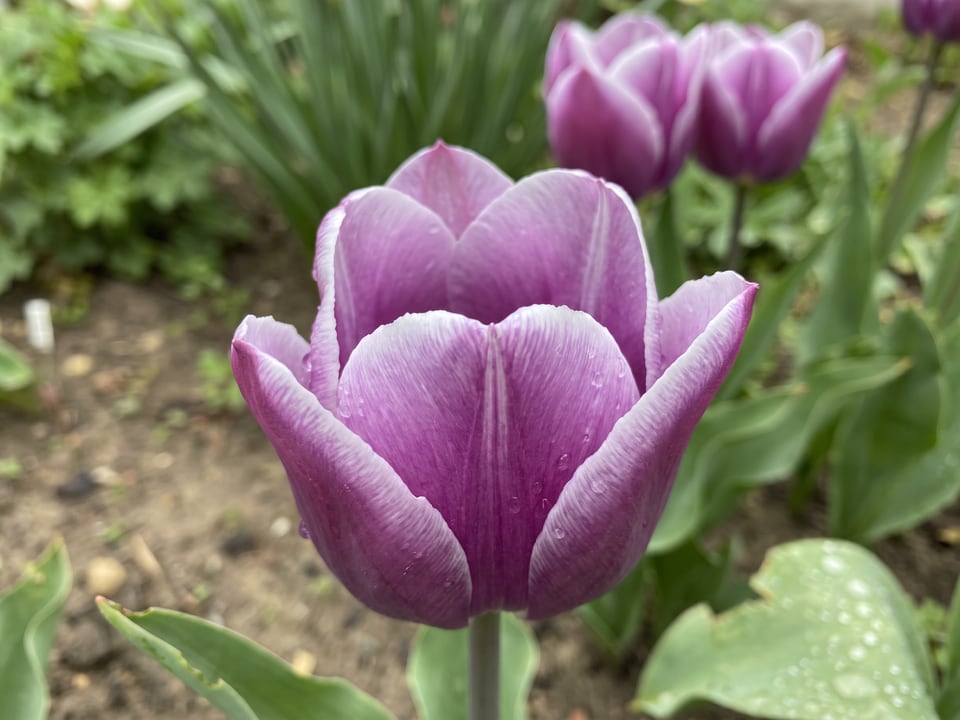
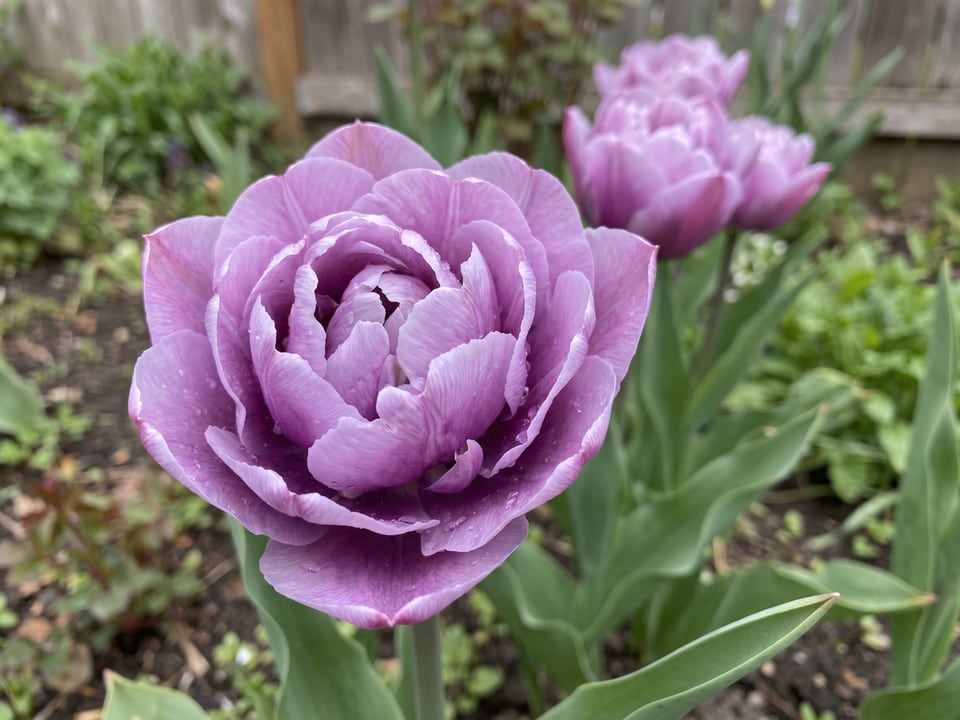
| Blue Diamond | Double late tulip | 14–16 in (36–41 cm) | 3–7 | Mid spring, Late spring | Full sun | |
| Blue Parrot | Parrot tulip | 22 in (56 cm) | 4–7 | Late spring | Full sun | |
| Echinacea tennesseensis | Single coneflower | 1½–2 ft (46–61 cm) | 5–6 | Early summer, Midsummer, Late summer | Full sun, Part shade | |
| Mighty Mouse | Mini hosta | 8 in (20 cm) | 3–9 | Early summer | Part shade, Full shade | |
| Morning Lilac | Itoh (intersectional) peony | 2½ ft (71 cm) | 4–8 | Late spring | Full sun | |
| Negrita | Triumph tulip | 18 in (46 cm) | 3–8 | Mid spring | Full sun, Part shade | |
| Netty's Pride | Asiatic lily | 2–3 ft (61–91 cm) | 3–10 | Early summer | Full sun, Part shade | |
| Paul Scherer | Triumph tulip | 16–18 in (41–46 cm) | 3–8 | Mid spring | Full sun, Part shade | |
| PowWow Wild Berry | Single coneflower | 1½–2 ft (46–61 cm) | 3–8 | Early summer, Midsummer, Late summer | Full sun, Part shade | |
| Princess Irene | Triumph tulip | 12–14 in (30–36 cm) | 3–8 | Mid spring | Full sun, Part sun | |
| Purple Coneflower | Single coneflower | 2–5 ft (61–152 cm) | 3–8 | Early summer, Midsummer, Late summer | Full sun, Part shade | |
| Razzmatazz | Double coneflower | 2½–3 ft (80–90 cm) | 3–9 | Midsummer, Late summer, Fall | Full sun, Part shade | |
| Ruby Star | Single coneflower | 2–3 ft (61–91 cm) | 3–8 | Early summer, Midsummer, Late summer | Full sun, Part shade | |
| Shimadaijin | Tree peony | 3–7 ft (91–213 cm) | 4–9 | Mid spring (estimated) | Full sun, Part shade | |
| Twist of Lime | Mini hosta | 4–8 in (10–20 cm) | 3–9 | Late spring | Part shade |
Values marked like this (estimated) are estimates.
Frequently asked questions
Where should purple perennials go in a border?
The RHS suggests placing bright, hot colours and larger flowers closest to where you most often view the border, with paler, smaller flowers at the far end. Use the Height column to decide how far forward a plant can go.
What does a USDA hardiness zone measure?
According to the USDA Plant Hardiness Zone Map, zones are based on the average annual extreme minimum winter temperature, in 10 degree F zones and 5 degree F half zones. We count a perennial here when the coldest zone in its record is 7 or lower.