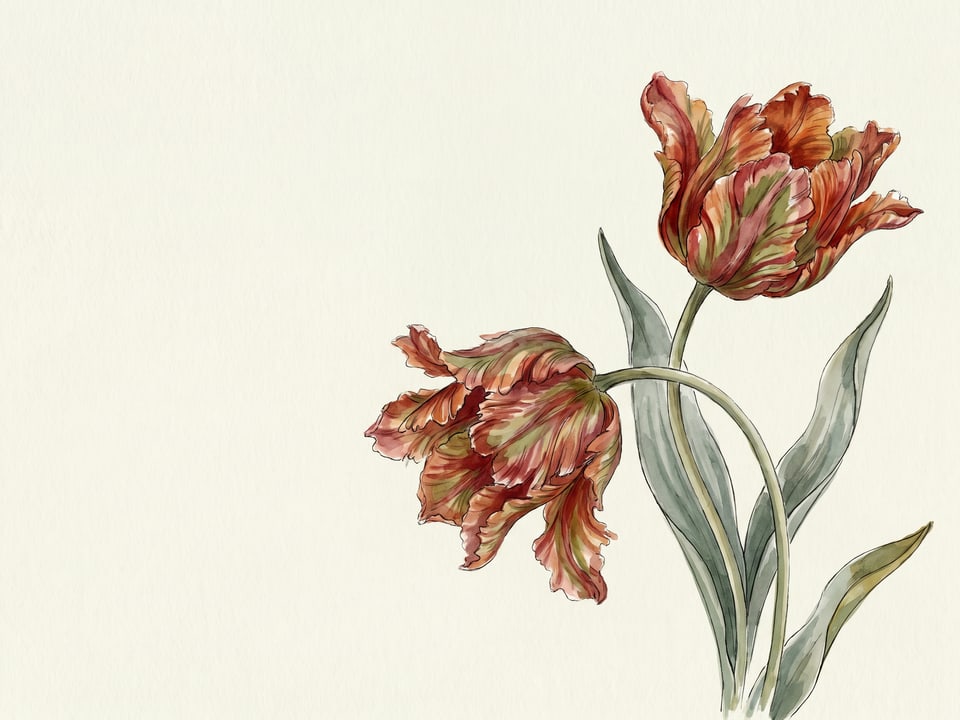
Parrot tulip varieties
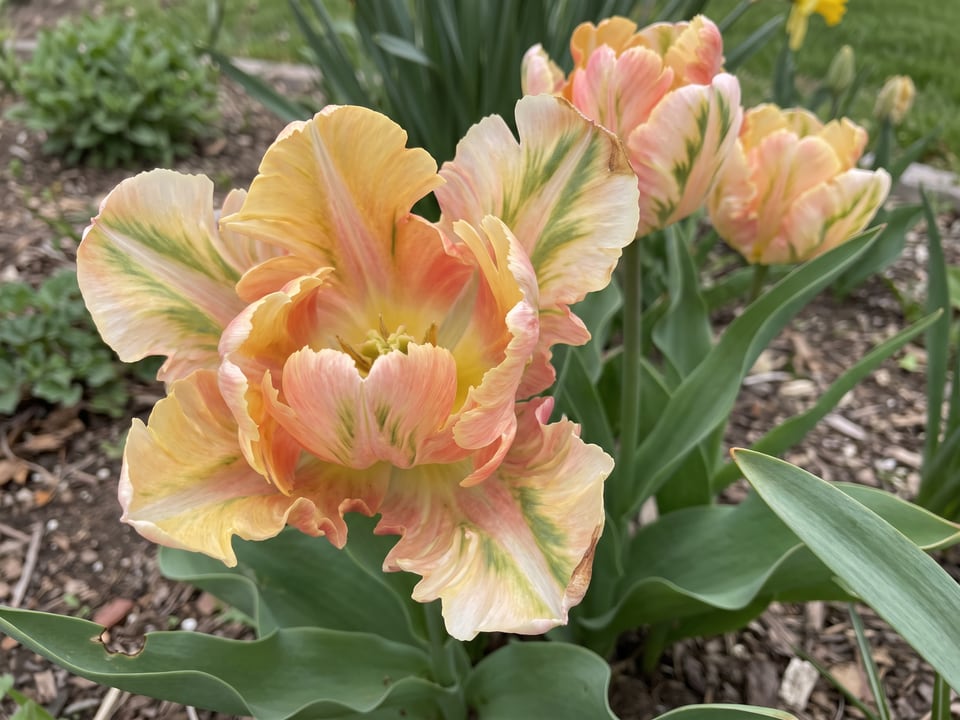
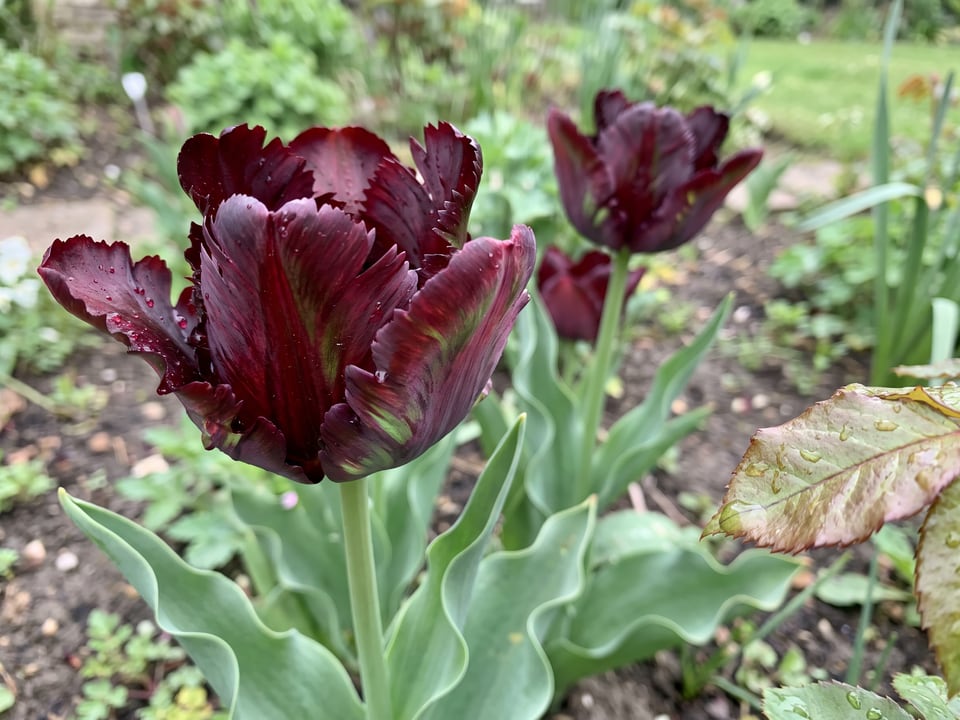
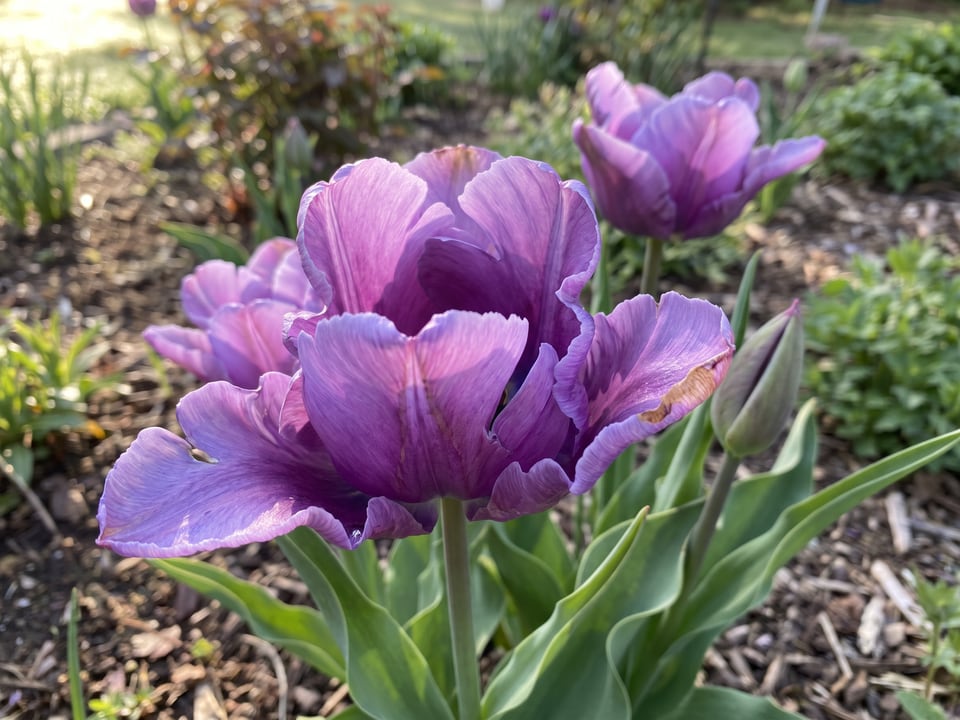
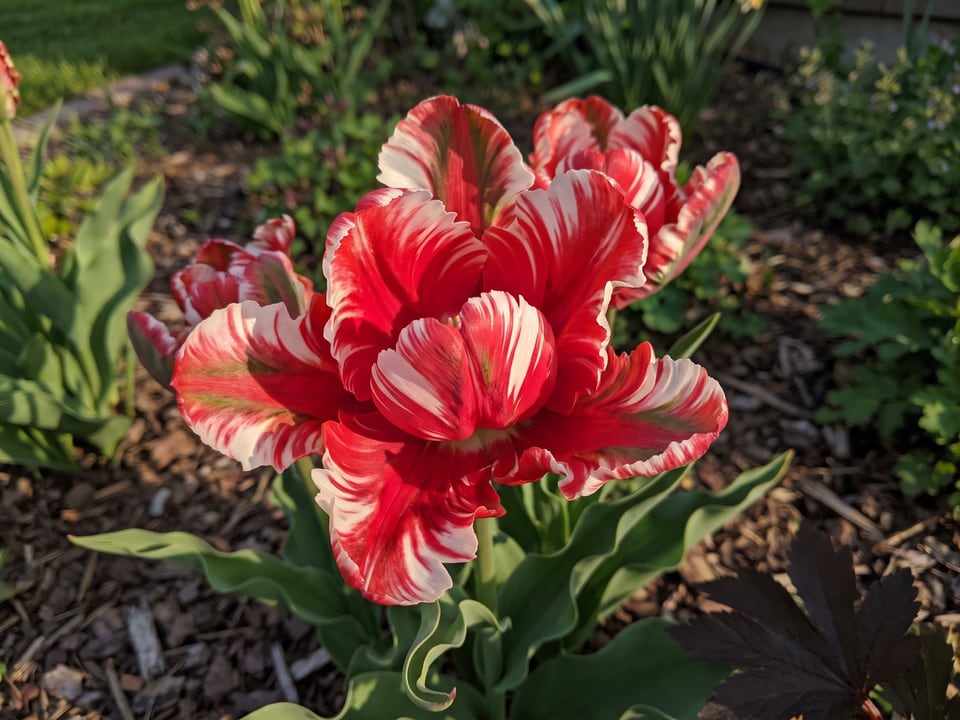
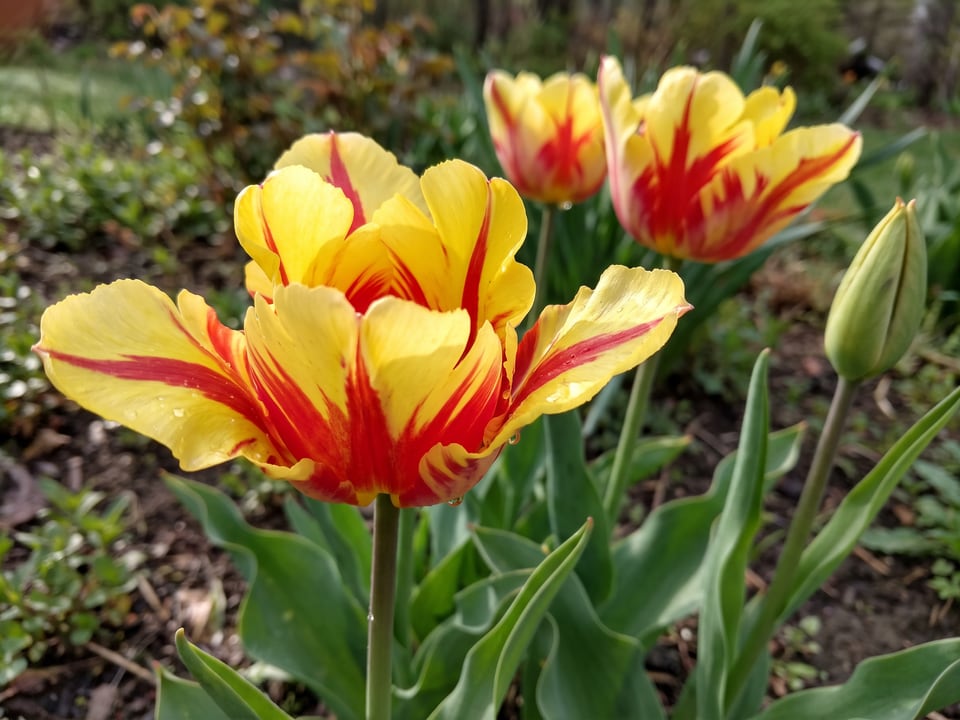
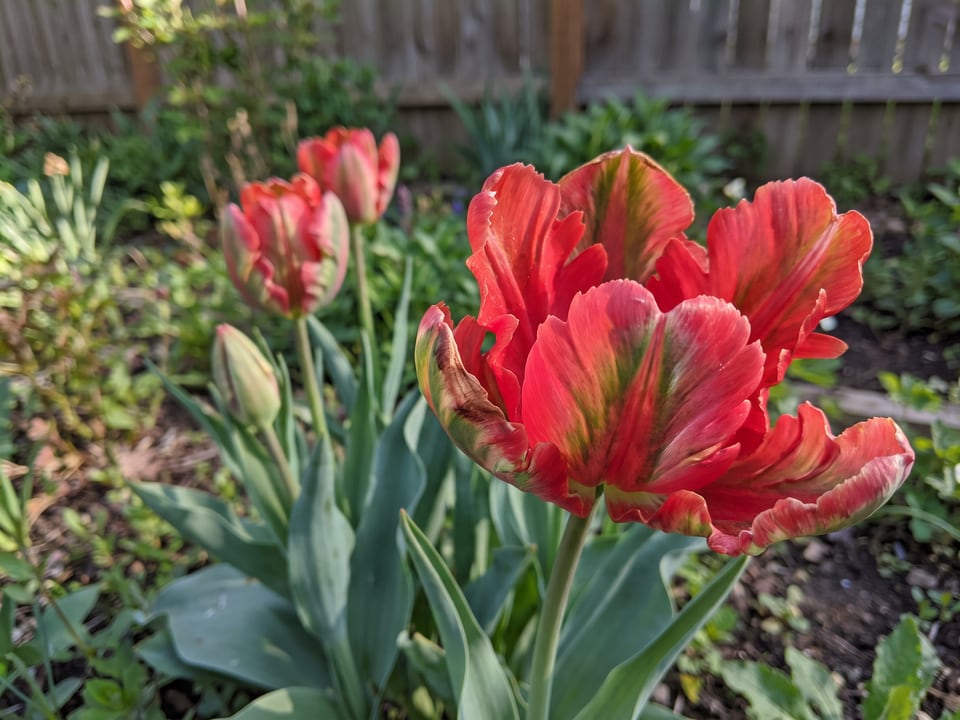
Parrot tulips are single-flowered tulips with laciniate, curled and twisted tepals, mainly late flowering on stems of variable length, as the tulip classification defines the group. The table below compares every variety we list side by side.
- Varieties
- 6
- Height
- 16–22 in (41–56 cm)
- Hardiness
- USDA zones 3–8
- Form
-
6 Parrot
All 6 parrot tulip varieties
How to choose
-
Compare the Height column. Stem length varies more in this group than in most, so two parrot tulips can sit at different levels in the same bed.
-
Look at the color pattern in the table. The RHS notes that parrot tulips are sometimes streaked with a bold, contrasting color.
-
Check the bloom time in the table. Parrot tulips are mainly late flowering, together with the other late groups.
Compare side by side
| Color | Sunlight | |||||
|---|---|---|---|---|---|---|
| Apricot Parrot | Parrot | 20 in (51 cm) | 4–7 | Late spring | Full sun | |
| Black Parrot | Parrot | 18 in (46 cm) | 3–8 | Mid spring, Late spring | Full sun, Part shade | |
| Blue Parrot | Parrot | 22 in (56 cm) | 4–7 | Late spring | Full sun | |
| Estella Rijnveld | Parrot | 18–20 in (46–51 cm) | 3–8 | Mid spring, Late spring | Full sun, Part shade | |
| Flaming Parrot | Parrot | 18–22 in (46–56 cm) | 4–7 | Late spring | Full sun | |
| Rococo | Parrot | 16 in (41 cm) | 3–8 | Late spring | Full sun, Part shade |
Frequently asked questions
Why do parrot tulips look ruffled?
The group is defined by laciniate, curled and twisted tepals. The RHS describes petals that twist and curl into feather-like shapes.
Will these tulips come back every year?
Not reliably. John Scheepers lists species tulips, Kaufmanniana and Greigii hybrids and Giant Darwin Hybrids as the tulips that may return for repeat years, and only where they are happy and never disturbed. Most gardeners treat other groups as a one-season planting.